India tractor sales have faced a steep decline in September, primarily driven by ongoing rural distress affecting farmers’ purchasing power.
Factors Behind the Decline in India Tractor Sales
The recent decline in India tractor sales has raised concerns among industry experts and farmers alike. Several factors have contributed to this downturn, indicating a challenging environment for the agricultural sector.
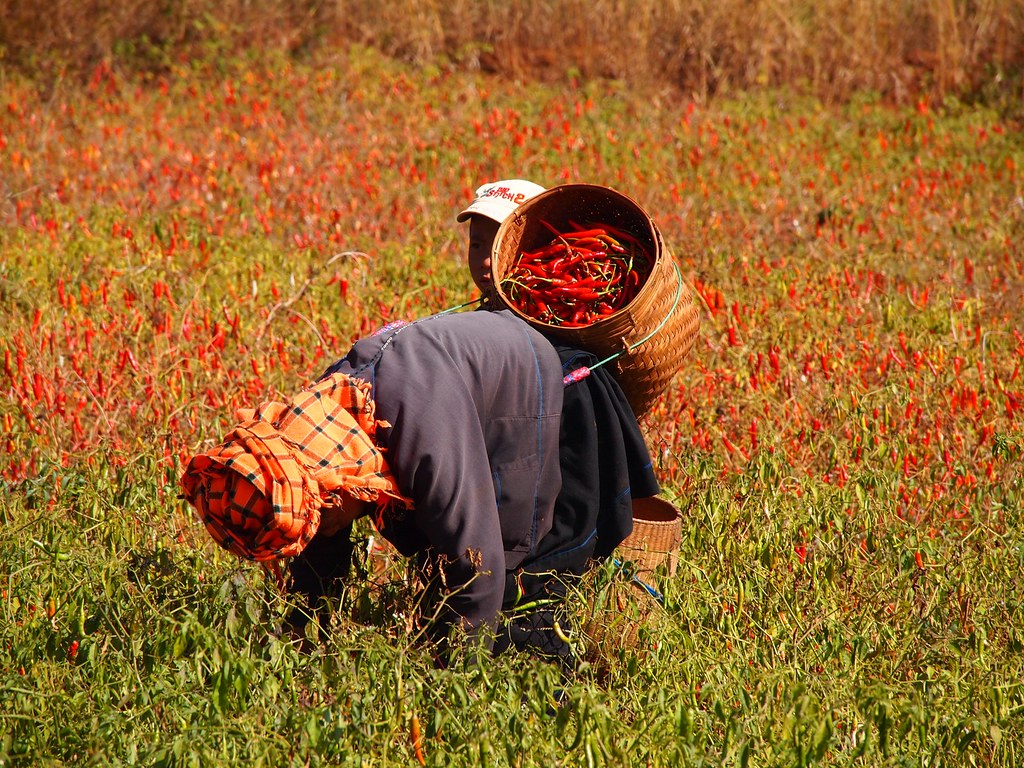
- Rural Distress: One of the primary reasons for the decline is the ongoing rural distress. Many farmers are facing financial difficulties due to erratic weather patterns and crop failures, leading to reduced purchasing power for tractors.
- Rising Input Costs: The increasing costs of agricultural inputs such as fertilizers and seeds have also impacted farmers’ budgets. As expenses rise, investment in new tractors becomes less feasible for many.
- Uncertain Monsoon: The unpredictable nature of the monsoon season this year has left farmers apprehensive about their harvests. This uncertainty has led to a cautious approach towards investing in new machinery.
- Market Saturation: In previous years, there was a surge in tractor sales as farmers sought to modernize their equipment. However, the market may now be approaching saturation, resulting in a natural decline in sales.
As these challenges unfold, stakeholders in the agricultural sector must strategize to address the factors behind the decline in India tractor sales to foster growth and stability.
Impact of Rural Distress on Farmers
The recent decline in India tractor sales can be largely attributed to the impact of rural distress on farmers. As agricultural incomes have taken a hit, many farmers are finding it increasingly challenging to invest in new machinery. The repercussions of erratic weather patterns and fluctuating crop prices have compounded the struggles faced by the agricultural community.
Farmers are now faced with a difficult decision: whether to prioritize immediate financial needs or invest in machinery that could potentially enhance productivity in the long run. The lack of disposable income has led to a significant slowdown in the purchase of tractors, which are essential for modern farming practices.
Several factors contribute to this rural distress:
- Decreased Crop Yields: Unpredictable rainfall and adverse climatic conditions have affected harvests.
- Low Market Prices: Farmers are receiving less for their produce, reducing their ability to invest in equipment.
- Debt Burden: Many farmers are under financial strain due to loans taken for previous seasons.
- Rising Input Costs: The cost of seeds, fertilizers, and other farming inputs has surged.
This combination of factors has resulted in the worst decline in India tractor sales in September, highlighting the urgent need for measures to address rural economic challenges.
Future Outlook for Tractor Sales in India
The future outlook for tractor sales in India remains uncertain as the industry grapples with the challenges of rural distress and economic fluctuations. Analysts suggest that the trajectory of India tractor sales will largely depend on several critical factors in the coming months.
- Monsoon Performance: A stable monsoon season is crucial for agricultural productivity. Farmers depend on timely rains to support their crops, which in turn influences their purchasing decisions for tractors.
- Government Initiatives: Support from the government, such as subsidies and financial assistance programs, could play a significant role in reviving tractor sales. Enhanced credit facilities may encourage farmers to invest in new equipment.
- Market Demand: As crop prices fluctuate, so does the demand for tractors. If farmers perceive higher profitability in their produce, it may lead to an uptick in tractor purchases.
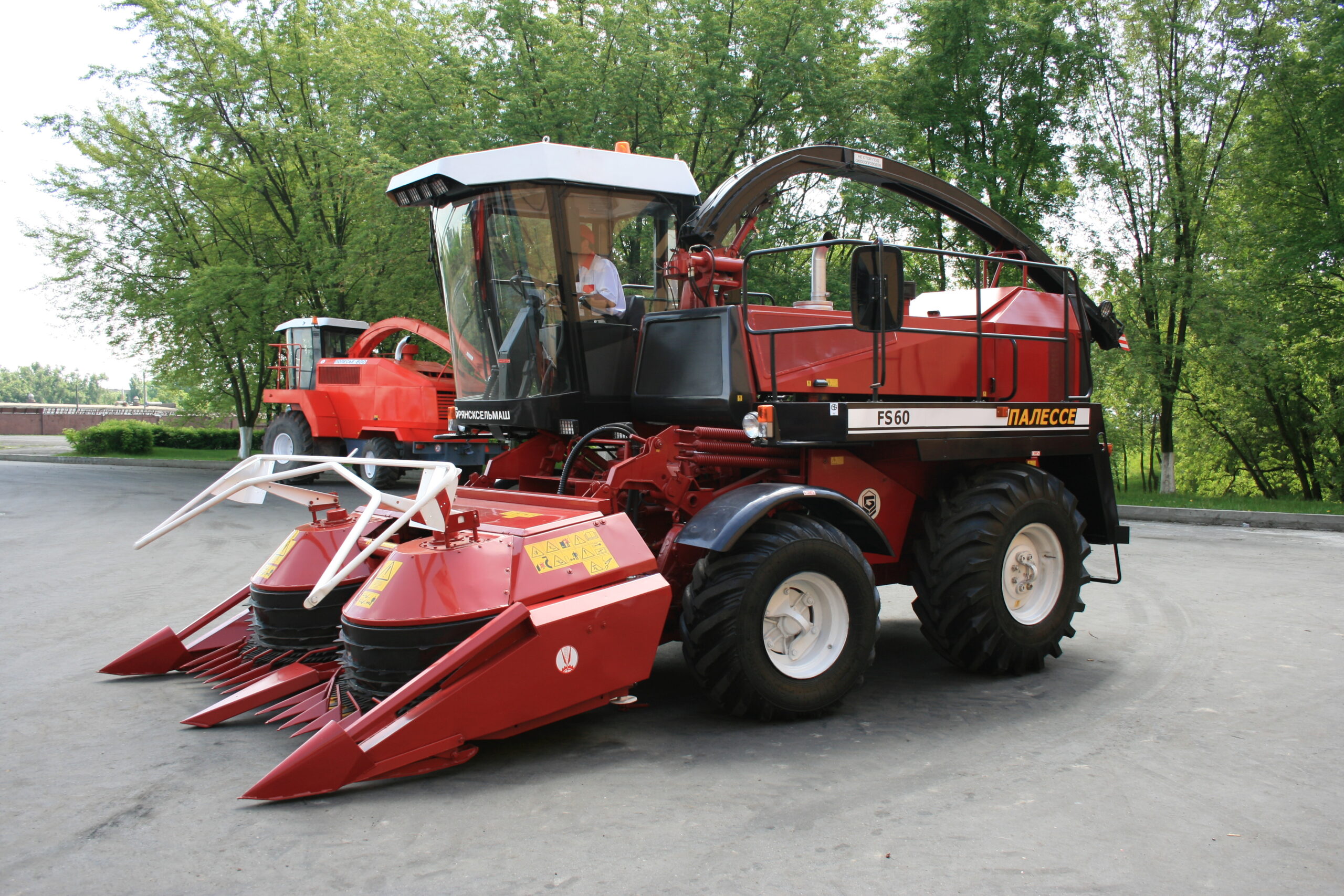
- Technological Advancements: The introduction of smart tractors equipped with advanced technology may attract farmers looking to improve efficiency and productivity, potentially boosting sales.
Overall, while the immediate future appears challenging for India tractor sales, proactive measures and favorable conditions could foster recovery and growth in the long term.
Economic Trends Affecting Agricultural Equipment
The agricultural equipment market in India has been significantly influenced by various economic trends that have emerged in recent months. With India tractor sales experiencing their worst decline in September, it is essential to analyze the broader economic factors at play.
Several key trends have contributed to this downturn:
- Monsoon Variability: The unpredictable nature of the monsoon has resulted in uneven rainfall, affecting crop yields. Poor crop performance directly impacts farmers’ purchasing power.
- Rising Input Costs: Increased prices for fertilizers, seeds, and other farming inputs have squeezed farmers’ margins, leaving them with less capital to invest in new machinery.
- Credit Availability: Tighter credit conditions have made it more difficult for farmers to access loans for purchasing tractors and other agricultural equipment.
- Market Competition: An influx of alternative farming methods and machinery has shifted farmer preferences, leading to a decline in traditional tractor sales.
As these economic trends continue to shape the agricultural landscape, the future of India tractor sales remains uncertain. Stakeholders in the agricultural sector must adapt to these challenges to foster recovery and growth in the coming months.
By Gomselmash India via Openverse
Read the original
Related stories
Bitcoin price forecast: Best Proven Strategies for Growth · Bajaj Auto shares: Worst sales data driving market concerns? · SoftBank acquisition DigitalBridge: Complete Deal Confirmed