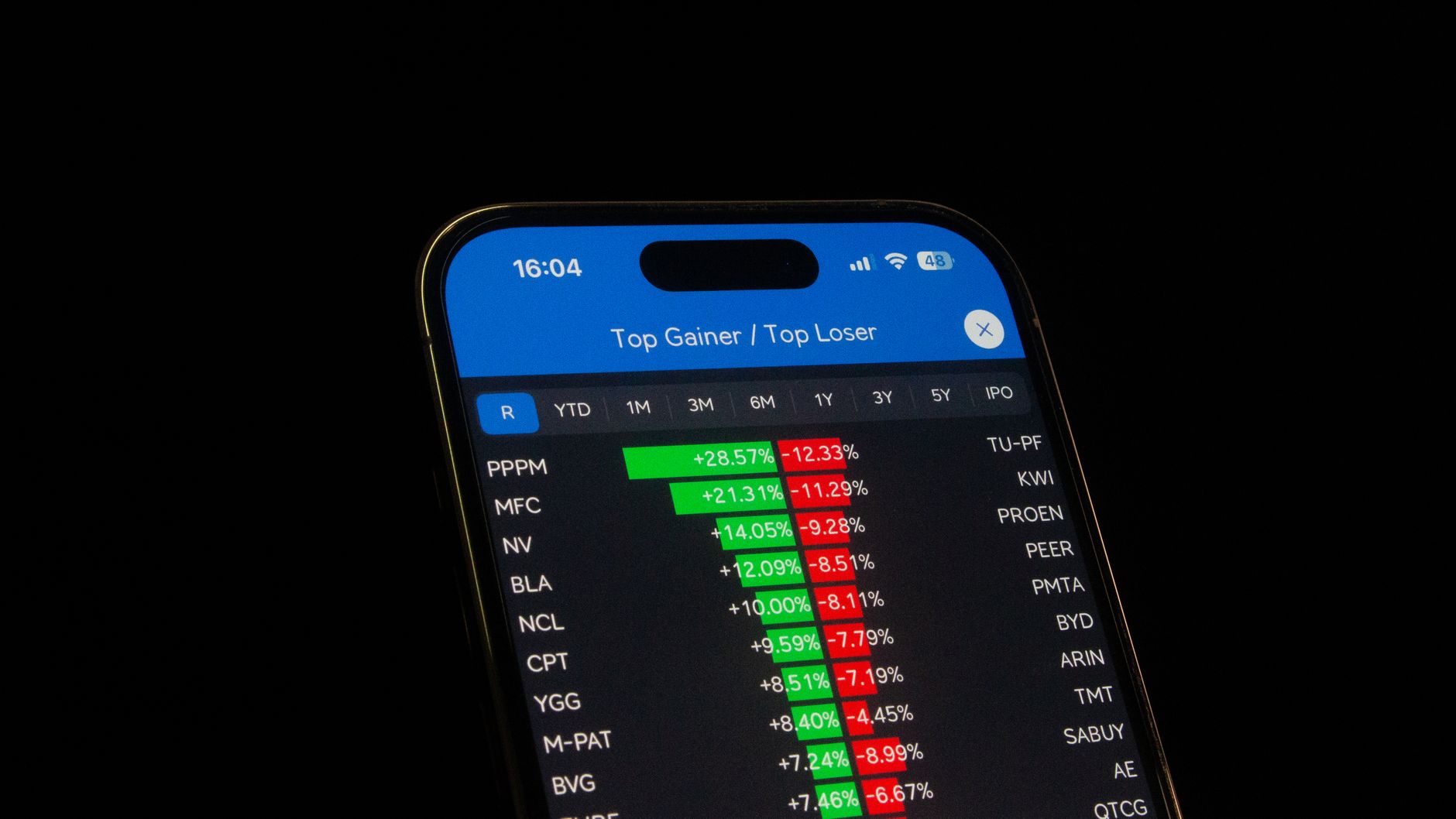
Stock market holiday is a significant event for investors. Today, many are wondering if the market is closed for Guru Nanak Jayanti and what the trading timings are.
Understanding Stock Market Holidays
Understanding stock market holidays is essential for investors and traders alike. These holidays can impact trading schedules and market activities significantly. On such days, the stock market remains closed, and no trading occurs, which can lead to fluctuations in stock prices once the market reopens.
In many countries, stock market holidays are observed for various reasons, including national celebrations, religious observances, or significant historical events. For example, today marks a stock market holiday in observance of Guru Nanak Jayanti, a significant day for many. It is crucial for traders to stay informed about these holidays to plan their trades effectively.
During holidays, the stock market might be closed for the entire day, or it may have altered trading hours leading up to the holiday. Traders should always check for announcements regarding stock market holidays to avoid any surprises. Understanding these events can help in making informed trading decisions and managing investment strategies better.
Guru Nanak Jayanti: A Quick Overview
Guru Nanak Jayanti, celebrated as the birth anniversary of Guru Nanak, the founder of Sikhism, is an important occasion observed by millions around the world. This festival typically falls in November and is marked by various religious ceremonies and community gatherings.
In the context of the stock market, it is crucial to note that Guru Nanak Jayanti is recognized as a stock market holiday. On this day, trading activities are paused, allowing investors and traders to observe the festivities without the pressure of market fluctuations.
Here’s a quick overview of key aspects related to this holiday:
- Date: The celebration usually takes place on the full moon day of the Kartik month in the Hindu calendar.
- Significance: It commemorates the teachings and philosophy of Guru Nanak, emphasizing equality, compassion, and community service.
- Market Impact: Many investors consider this stock market holiday as an opportunity to reflect on their trading strategies and prepare for future transactions.
In conclusion, understanding the significance of Guru Nanak Jayanti can help traders make informed decisions regarding their investments around this stock market holiday.
Trading Timings on Holidays
The stock market holiday on Guru Nanak Jayanti raises questions about trading timings and the overall market schedule. Understanding when the market is open or closed is crucial for traders and investors.
On holidays, including Guru Nanak Jayanti, the stock market remains closed for regular trading hours. This means that no transactions can be executed on the exchange. However, it’s important to note that trading may resume on the following business day, allowing investors to react to any market developments.
For those looking to plan their trading strategies around stock market holidays, here are some key points to consider:
- Market Closure: The stock market will be entirely closed on the holiday.
- Pre-Holiday Trading: Investors should be mindful of volatility in the lead-up to holidays.
- Post-Holiday Trading: Anticipate increased trading activity once the market reopens.
In summary, understanding trading timings on holidays like Guru Nanak Jayanti can help traders make informed decisions.
Impact of Holidays on Stock Trading
The impact of holidays on stock trading can be significant, influencing both market activity and investor behavior. On stock market holidays, trading is often paused, leading to reduced liquidity and potentially increased volatility when the market reopens.
Many traders prefer to avoid trading on holidays, as market conditions can be unpredictable. The absence of key market participants can lead to wider bid-ask spreads and erratic price movements. Furthermore, during holidays like Guru Nanak Jayanti, investors may choose to focus on personal or cultural observances, resulting in lower trading volumes.
However, there are also opportunities during stock market holidays. Some traders might take advantage of the quieter environment to make strategic moves, particularly if they anticipate market shifts upon reopening. Understanding the implications of stock market holidays is crucial for those looking to optimize their trading strategies.
Ultimately, whether one decides to trade on such a day will depend on their individual approach, risk tolerance, and market outlook.
Market Schedule for November 2023
The stock market schedule for November 2023 includes several important dates that traders should be aware of, particularly regarding stock market holidays. On November 14, 2023, markets will be closed in observance of Guru Nanak Jayanti, a significant festival celebrated across India. This holiday impacts trading activities, as the stock exchanges will not operate on this day.
In addition to the holiday on November 14, traders should also note that the market will have regular trading hours for the rest of the month. Here is a brief outline of the market schedule:
- November 1-13: Regular trading hours from 9:15 AM to 3:30 PM IST.
- November 14: Closed for Guru Nanak Jayanti.
- November 15-30: Regular trading hours from 9:15 AM to 3:30 PM IST.
Understanding this schedule is crucial for traders planning their activities around stock market holidays.
How to Prepare for Market Holidays
Preparing for a stock market holiday requires careful consideration and planning. Here are some essential steps to ensure you are ready for trading on or around these days:
- Review Your Portfolio: Take time to analyze your current investments. Determine if any adjustments are necessary before the holiday.
- Stay Updated: Keep an eye on news and events that could impact the market. This includes economic reports, earnings announcements, and geopolitical developments.
- Plan Your Trades: If you anticipate trading on a holiday, outline your strategy in advance. Consider which stocks or sectors are likely to perform well.
- Set Alerts: Utilize trading platforms to set alerts for price movements or significant news, ensuring you don’t miss crucial information.
- Understand Market Sentiment: Gauge the overall sentiment and trading volume leading up to the stock market holiday, as this can influence market behavior.
By following these steps, traders can navigate the unique circumstances surrounding stock market holidays effectively.
Key Takeaways for Investors
Investors should keep several key takeaways in mind when considering trading during a stock market holiday. Understanding the implications of a market holiday can significantly impact trading strategies and decision-making processes.
- Market Closure: On stock market holidays, such as Guru Nanak Jayanti, the markets are typically closed, meaning no trading occurs.
- Trading Volume: When trading resumes after a holiday, there may be increased volatility due to pent-up demand and reduced trading volume during the holiday period.
- Market Sentiment: A market holiday can affect investor sentiment. Traders should assess how news and events over the holiday might influence market behavior when it reopens.
- Preparation: Investors should prepare for the market’s reopening by reviewing their portfolios and any relevant news that may have emerged during the holiday period.
- Long-Term View: While stock market holidays can create short-term trading opportunities, it is essential for investors to maintain a long-term perspective for sustainable success.
Many traders wonder if they should engage in trading during a stock market holiday, as the reduced activity can lead to unpredictable price movements. Understanding the implications of a stock market holiday can help investors make informed decisions.
By AlphaTangoBravo / Adam Baker via Openverse