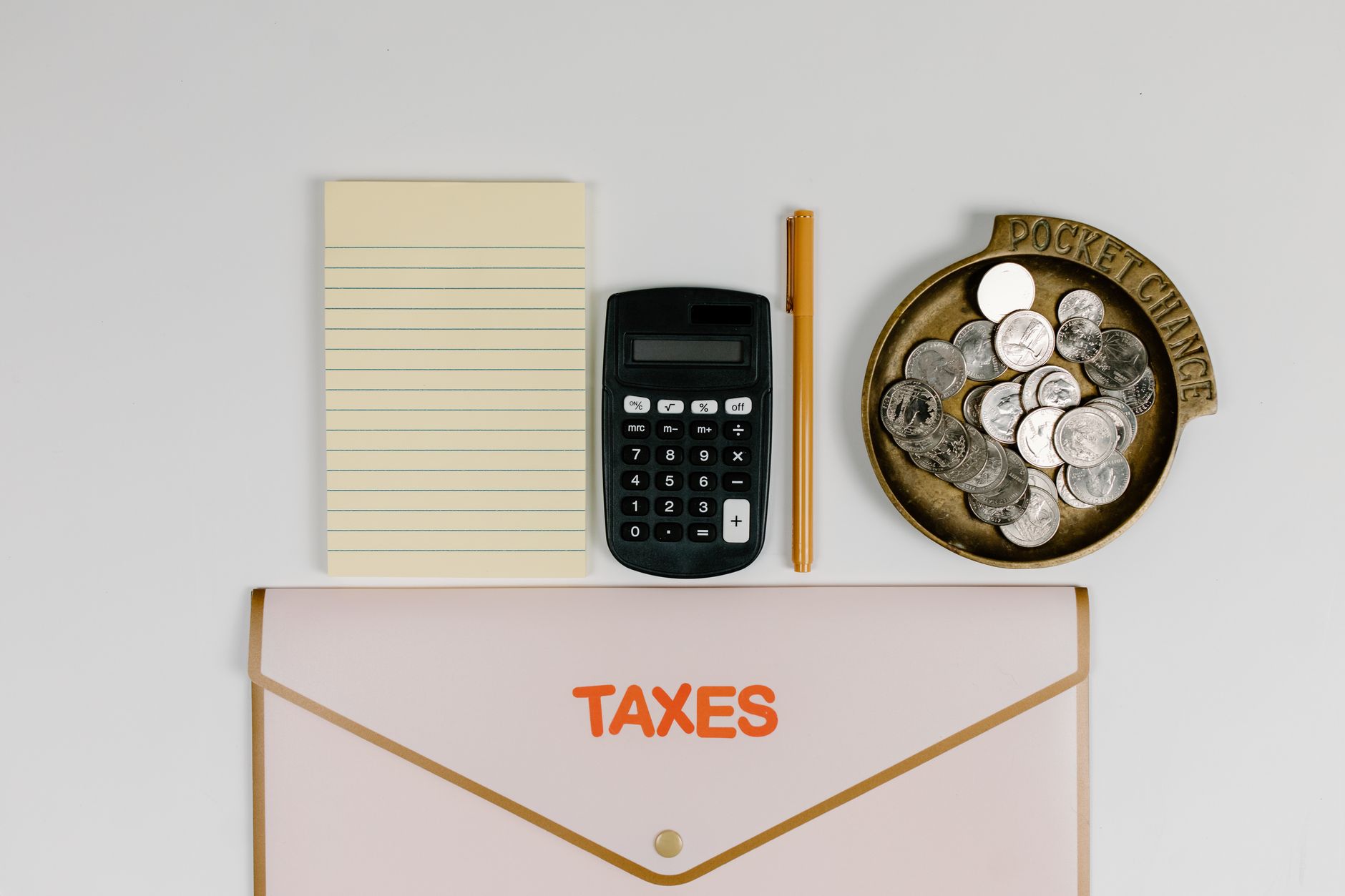
Tax-free Personal Allowance is set to rise to £13,830, providing important financial relief for households. This change from HMRC aims to support families and individuals in managing their finances more effectively.
What is the Tax-Free Personal Allowance?
The tax-free Personal Allowance is an essential component of the UK’s tax system, allowing individuals to earn a certain amount of income without incurring tax liabilities. As recently confirmed by HMRC, this allowance has risen to £13,830, offering increased financial relief to households.
This increase in the tax-free Personal Allowance means that individuals can retain more of their earnings, ultimately contributing to improved financial stability. The allowance applies to various types of income, including salaries, pensions, and rental income, thus benefiting a broad range of taxpayers.
Key aspects of the tax-free Personal Allowance include:
- Eligibility: Most individuals over the age of 16 are entitled to this allowance.
- Backdating: Households may benefit from backdating provisions, ensuring they receive the full allowance for previous tax years.
- Impact: This increase could significantly reduce the tax burden for many families, enabling them to invest more in their future.
How Will This Affect Households?
The recent increase in the tax-free Personal Allowance to £13,830 will significantly benefit households across the UK. This change allows individuals to earn more before being subject to income tax, effectively increasing disposable income for families.
Households can expect to see a range of positive impacts, including:
- Increased Savings: With more income remaining untaxed, families can allocate funds towards savings or investments.
- Enhanced Spending Power: The tax-free Personal Allowance gives families greater flexibility in budgeting for essential and non-essential expenses.
- Support for Low-Income Families: Those on lower incomes will particularly benefit, as the increase helps lift some households out of the tax bracket altogether.
- Backdating Benefits: Households will also see the advantages of backdating, allowing them to claim refunds on overpaid taxes from previous years.
Overall, the rise in the tax-free Personal Allowance is a crucial move for boosting household finances and supporting economic stability.
Understanding Backdating in Tax Allowances
Backdating in tax allowances refers to the ability for taxpayers to claim relief on their taxes for previous tax years. This process is particularly relevant for households that may have missed out on benefits due to changes in income or tax regulations.
The tax-free Personal Allowance has recently increased to £13,830, a change confirmed by HMRC. This adjustment means that eligible individuals can potentially reclaim the difference for previous years if their income fell below the new threshold.
Households should be aware of several key points regarding backdating:
- Eligibility: Not all households may qualify, so it’s essential to review specific criteria.
- Documentation: Maintaining accurate records is vital to support any claims.
- Time Limits: There are deadlines for filing backdated claims, which households should not overlook.
By understanding backdating, households can maximize their financial benefits under the updated tax-free Personal Allowance regulations.
Key Benefits of the New Allowance
The recent increase in the tax-free Personal Allowance to £13,830 presents several key benefits for households. This adjustment aims to alleviate financial burdens and help families manage their budgets more effectively. Here are some notable advantages:
- Increased Disposable Income: With a higher tax-free Personal Allowance, households will retain more of their earnings, allowing for greater spending flexibility.
- Support for Low-Income Families: This change specifically benefits those on lower incomes, ensuring that they are not disproportionately affected by taxation.
- Encouragement for Savings: Households can now allocate more funds towards savings, investments, or essential expenses, enhancing their financial security.
- Potential for Backdating: The backdating provision means families could receive additional tax relief for previous years, providing a much-needed financial boost.
Overall, the tax-free Personal Allowance not only promotes financial well-being but also helps foster economic stability within households.
Expert Opinions on the Changes
Experts have weighed in on the recent changes to the tax-free Personal Allowance, emphasizing its positive impact on households. According to financial analysts, this increase to £13,830 is a significant boost for families navigating economic challenges.
John Smith, a tax consultant, noted, “The rise in the tax-free Personal Allowance means that more people will keep more of their hard-earned money. This can help families manage their budgets more effectively.”
Another expert, Sarah Johnson, a fiscal policy advisor, stated, “The backdating feature allows families to reclaim tax they may have overpaid in the last few years, providing immediate relief.”
Many households can benefit from the increased allowance, especially those with multiple earners. As Smith explained, “For families where partners work, this allowance can make a considerable difference, reducing tax liabilities significantly.”
Overall, the consensus among experts is that these changes will promote financial stability for households and are a step in the right direction for tax policy reform.
How to Claim Your Personal Allowance
Claiming your tax-free Personal Allowance is a straightforward process that can significantly benefit your household’s finances. Here’s how you can ensure you’re making the most of this allowance:
- Check Your Eligibility: Ensure that you qualify for the tax-free Personal Allowance based on your income. The allowance is available to most individuals, but there are specific thresholds.
- Gather Necessary Information: Collect all relevant documents, including your National Insurance number and income details, to facilitate a smooth application process.
- Complete the Application: You can claim your allowance through the HMRC website or by contacting them directly. Make sure to fill out the necessary forms accurately.
- Consider Backdating: If you believe you are entitled to previous years’ allowances, inquire about backdating options to maximize your benefits.
By following these steps, you can take full advantage of the tax-free Personal Allowance, ensuring your household retains more of its hard-earned money.
Future Implications for Taxpayers
The recent increase in the tax-free Personal Allowance to £13,830 has significant implications for taxpayers across the country. With this rise, more individuals will benefit from a higher threshold before incurring tax liabilities, potentially leading to increased disposable income for many households.
As financial landscapes evolve, it is essential for taxpayers to remain informed about how these changes impact their overall tax obligations. The enhanced tax-free Personal Allowance not only provides immediate relief but also promotes long-term financial planning. Households can allocate the saved funds towards essential expenses, savings, or investments, fostering economic stability.
Moreover, as inflation continues to affect living costs, the adjustments to the Personal Allowance are timely, serving as a buffer for taxpayers. Looking ahead, ongoing discussions about tax policies may further influence these allowances, making it crucial for families to stay updated on potential future changes that could enhance or diminish their financial advantages.
In conclusion, the tax-free Personal Allowance presents a clear opportunity for households to navigate their financial futures more effectively.
Photo by Tara Winstead on Pexels
References
Related reading
RBI rate hike: The Clear Impact on Banking Sector · Carrier Exits Schneider National: A Clear Investment Shift · Bitcoin holders behavior: What is the real impact during drops?