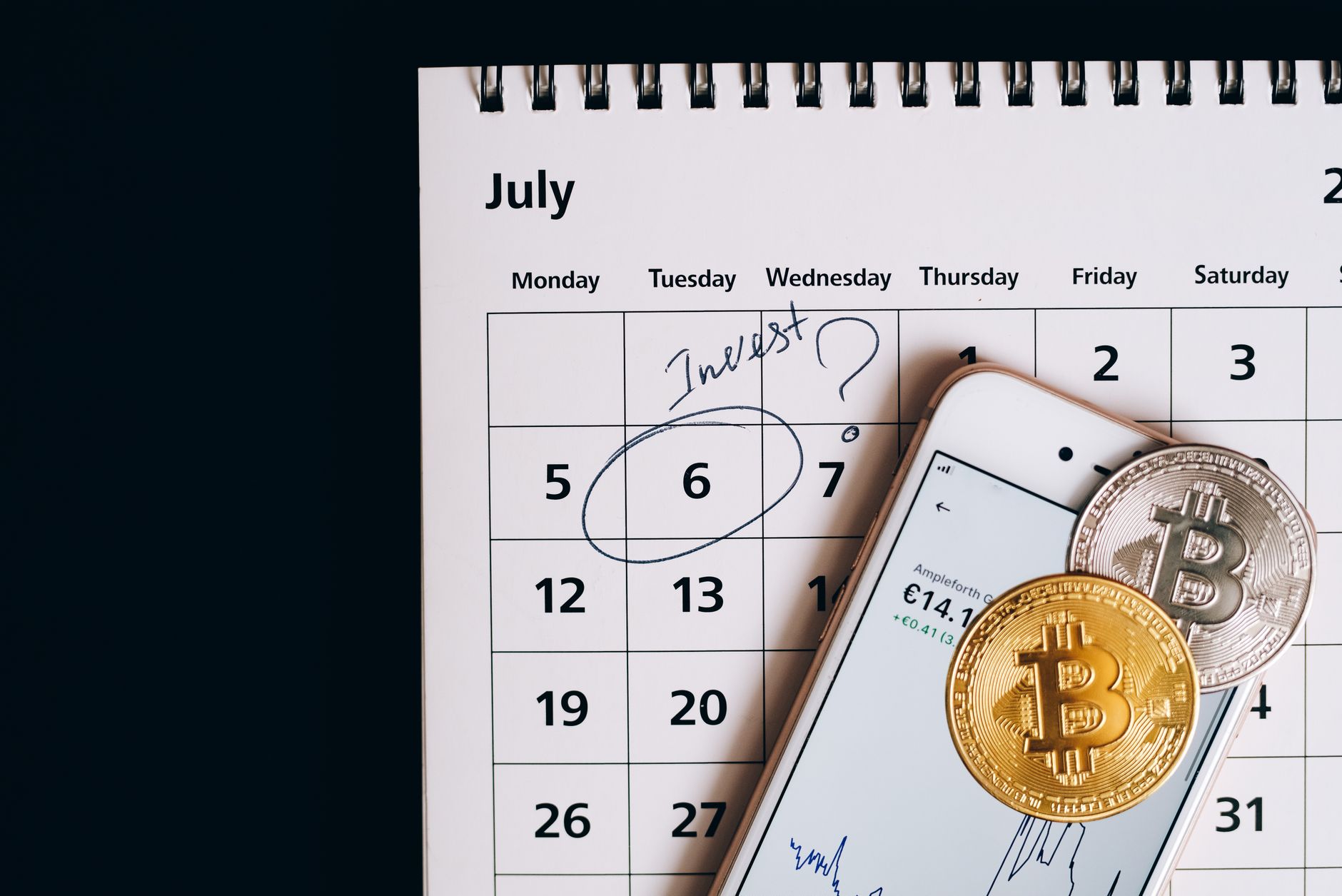
Bitcoin holders behavior reveals that long-term holders rarely move coins to exchanges during price drops. This trend raises questions about market stability and investor confidence.
Understanding Bitcoin Holder Behavior
Recent analysis of Bitcoin holders behavior has shed light on how long-term investors react during market downturns. In a striking example, when the price of Bitcoin plummeted from $87,000, long-term holders displayed a notable tendency to retain their assets instead of moving them to exchanges.
This reluctance to sell can be attributed to several key factors:
- Investor Confidence: Many long-term holders believe in the potential of Bitcoin to recover and grow over time, which encourages them to hold rather than panic sell.
- Market Sentiment: A strong conviction in the fundamentals of Bitcoin and its position as a digital asset often leads to a more stable holding behavior among seasoned investors.
- Strategic Planning: Long-term holders frequently have predefined strategies that guide their decisions, including waiting for market corrections to pass before making any moves.
Additionally, the behavior of Bitcoin holders during such price drops can significantly influence market dynamics. Their decision to hold rather than sell can help mitigate further declines, contributing to a more stable market environment. Understanding these behaviors is crucial for both new and experienced investors as they navigate the complexities of cryptocurrency markets.
Market Reactions to Price Drops
The behavior of Bitcoin holders during market fluctuations plays a crucial role in determining the overall stability of the cryptocurrency. Recent observations indicate that long-term Bitcoin holders tend to exhibit a distinct pattern during price drops. This behavior is significant, especially when the market experiences a sharp decline, such as the recent drop from $87,000.
Market reactions to price drops can be categorized into several key responses:
- Inactivity: Many long-term Bitcoin holders choose not to sell their assets during downturns. This reluctance to move coins to exchanges can be attributed to a belief in Bitcoin’s long-term potential.
- Accumulation: Instead of panic selling, some holders may seize the opportunity to acquire more Bitcoin at lower prices, reinforcing their commitment to the asset.
- Market Confidence: The behavior of these holders can instill a sense of confidence in the market, as their steadfastness during drops may deter further panic among less experienced investors.
While short-term traders may react impulsively, the behavior of long-term Bitcoin holders often stabilizes the market. Their tendency to hold rather than sell during price drops is a key factor that influences the overall market sentiment and can have lasting effects on Bitcoin’s price trajectory.
The Psychology of Long-Term Investors
The psychology of long-term investors plays a crucial role in understanding Bitcoin holders behavior, especially during significant market fluctuations. When Bitcoin’s price experiences a sharp decline, such as the recent drop from $87,000, many long-term holders exhibit a unique set of characteristics that differentiate them from short-term traders.
Long-term investors often adopt a mindset focused on the potential future value of Bitcoin rather than its current price. This perspective helps them withstand volatility without panic selling. Their reluctance to move coins to exchanges during downturns reflects a strong conviction in the asset’s long-term growth trajectory.
- HODLing Mentality: Many long-term holders subscribe to the “HODL” philosophy, which encourages them to hold onto their Bitcoin regardless of market conditions.
- Reduced Emotional Response: These investors tend to have a lower emotional response to price drops, viewing them as temporary setbacks rather than threats.
- Focus on Fundamentals: Long-term Bitcoin holders often prioritize the underlying technology and potential use cases over short-term price movements.
This steadfast approach can create a stabilizing effect on the market, as significant sell-offs are less likely to occur from this group. Their behavior suggests that long-term confidence in Bitcoin remains intact, even amid challenging market conditions.
Impact of Price Fluctuations
The behavior of Bitcoin holders during price fluctuations can significantly impact market dynamics. When prices experience sharp declines, such as the recent drop from $87,000, the actions of long-term holders become particularly crucial. Unlike short-term traders, who may react impulsively, many long-term investors tend to exhibit a more measured approach.
Research indicates that long-term Bitcoin holders rarely transfer their coins to exchanges during price drops. This behavior reflects their confidence in the asset’s long-term value and their commitment to holding through volatility. As a result, the supply of available Bitcoin on exchanges decreases, which can mitigate further price declines.
Additionally, the reluctance of these holders to sell during downturns can create a sense of stability in the market. By not participating in panic selling, they help to maintain a floor price, encouraging newer investors to remain engaged rather than exiting the market entirely. This holding strategy can be attributed to various factors, including:
- Belief in Bitcoin’s future potential: Many holders are optimistic about long-term price appreciation.
- Emotional resilience: Long-term investors often have a stronger psychological fortitude against market volatility.
- Investment strategies: A focus on accumulation rather than short-term gains drives their decision-making.
In summary, the behavior of Bitcoin holders during price fluctuations plays a significant role in shaping the market’s response to drops.
Future Predictions for Bitcoin
As the cryptocurrency market continues to evolve, the behavior of Bitcoin holders plays a crucial role in shaping future trends. Analysts have been keenly observing how long-term holders respond during significant price drops, such as the recent fall from $87,000. This has sparked discussions regarding potential future predictions for Bitcoin.
One notable trend is that long-term Bitcoin holders exhibit a distinct pattern in their behavior. Rather than panic selling, they tend to hold onto their assets, reflecting a strong belief in Bitcoin’s long-term potential. This behavior can lead to a relatively stable market, even during sharp declines. Several factors contribute to this phenomenon:
- Confidence in Adoption: Many Bitcoin holders believe that the continued adoption of cryptocurrency will lead to price recovery and growth.
- Market Maturity: As the market matures, the reactions to price drops may evolve, with holders becoming less reactive to short-term fluctuations.
- HODL Mentality: The increasing popularity of the “HODL” mindset encourages holders to resist the urge to sell during downturns.
In the coming months, the behavior of Bitcoin holders could significantly impact market dynamics, especially if a substantial number remain committed to holding through volatility. Understanding these patterns may provide valuable insights into the cryptocurrency’s future trajectory.
Understanding Bitcoin holders behavior during market drops can provide insights into their confidence and long-term strategies. Analyzing Bitcoin holders behavior reveals how different segments of investors react to price volatility.
Photo by Leeloo The First on Pexels
Sources
RBI Interest Rate Hike: The Worst Reaction from Nifty 50 · Large-cap ETFs: Proven Strategies for 18% Gains in 6 Months · Bitcoin Price Prediction: Best Strategies for 2026 Gains