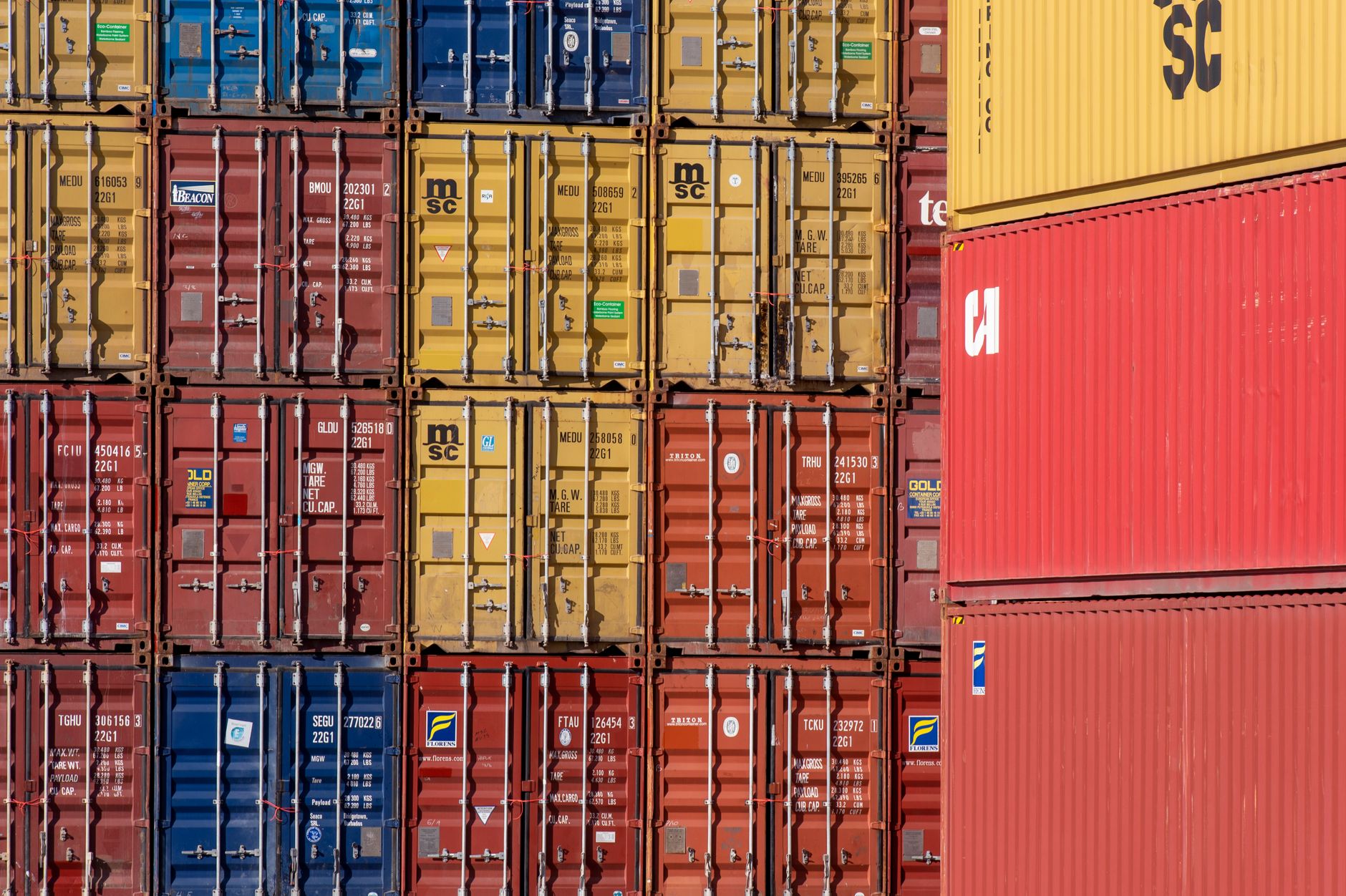
Defensible capacity logistics is becoming a key focus for brokers and shippers, shifting their strategies to ensure reliability and sustainability in operations.
Understanding Defensible Capacity in Logistics
In the evolving landscape of logistics, the concept of defensible capacity logistics has gained significant traction among brokers and shippers. This approach emphasizes not just having available capacity but ensuring that the capacity is reliable and secure. With the increasing complexity of supply chain management, understanding this shift is crucial for industry players.
Defensible capacity refers to the ability of logistics providers to maintain consistent service levels, even in the face of unexpected challenges. Key factors that contribute to this include:
- Strategic partnerships: Collaborating with trusted carriers and suppliers to enhance reliability.
- Advanced technology: Utilizing data analytics for better forecasting and real-time tracking.
- Proactive risk management: Identifying potential disruptions and developing contingency plans.
By focusing on defensible capacity, brokers can not only meet customer demands but also build stronger relationships through dependable service. This shift reflects a broader trend towards prioritizing quality and stability over mere availability in logistics operations.
Why Brokers Are Changing Their Strategies
As the logistics industry evolves, brokers are increasingly reassessing their strategies to stay competitive. The shift from traditional methods to defensible capacity logistics is driven by several key factors.
- Market Volatility: With frequent fluctuations in demand, brokers need a more resilient approach that allows them to effectively manage capacity.
- Customer Expectations: Shippers are seeking reliable service and timely deliveries, pushing brokers to adopt strategies that ensure consistent capacity availability.
- Technological Advancements: Innovations in logistics technology provide brokers with tools to better track and manage their capacities, enabling a transition toward defensible capacity.
- Competitive Advantage: By focusing on defensible capacity, brokers can differentiate themselves in a crowded marketplace, offering a level of service that meets the evolving needs of shippers.
These factors underline the necessity for brokers to pivot their strategies, embracing defensible capacity logistics as a means to enhance operational efficiency and customer satisfaction.
The Impact on Shippers and Freight Management
The shift towards defensible capacity logistics is significantly impacting shippers and their freight management strategies. As brokers increasingly adopt this model, they are focusing on creating a more reliable supply chain that can withstand disruptions. This change is driven by the need for enhanced stability and predictability in an ever-evolving market.
Shippers are recognizing the advantages of partnering with brokers who prioritize defensible capacity. Benefits include:
- Improved Reliability: Shippers can count on consistent delivery times and reduced freight delays.
- Cost Efficiency: A focus on defensible capacity can lead to optimized routes and reduced operational costs.
- Enhanced Communication: Brokers committed to defensible strategies often provide better visibility and updates throughout the shipping process.
As the logistics landscape evolves, shippers must adapt their freight management practices to align with brokers who are prioritizing defensible capacity logistics, ensuring that they maintain a competitive edge in the market.
Benefits of Adopting Defensible Capacity
Adopting defensible capacity logistics offers numerous advantages for brokers navigating the complexities of the supply chain. By prioritizing reliable and stable capacity over merely available options, brokers can enhance their service offerings and build stronger relationships with shippers.
- Increased Reliability: Brokers utilizing defensible capacity can ensure that shipments are fulfilled consistently, reducing the risk of delays and enhancing customer satisfaction.
- Better Risk Management: This approach allows brokers to mitigate risks associated with fluctuating market conditions, as defensible capacity provides a buffer against sudden changes in demand.
- Improved Profit Margins: By focusing on long-term contracts and partnerships, brokers can secure better rates and increase their profitability, as defensible capacity often comes with fewer surprise costs.
- Enhanced Reputation: Brokers that commit to defensible capacity logistics are likely to gain a reputation for reliability, making them the preferred choice among shippers.
In summary, transitioning to defensible capacity logistics not only optimizes operations but also fosters loyalty and trust within the logistics ecosystem.
Challenges in Transitioning to New Models
Transitioning to defensible capacity logistics presents several challenges for brokers. One significant hurdle is the need for a complete overhaul of existing operational frameworks. Many brokers are accustomed to traditional methods that focus solely on available capacity, making the shift to a more strategic approach daunting.
Additionally, brokers must invest in advanced technology and data analytics to effectively manage defensible capacity. This requires not only financial resources but also a skilled workforce capable of leveraging new tools to optimize logistics operations.
Moreover, there is a steep learning curve involved in understanding the nuances of defensible capacity. Brokers need to cultivate relationships with shippers and carriers to ensure that they can secure reliable capacity under the new model, which can take time to develop.
Finally, the uncertain market conditions can complicate the transition. Fluctuating demand and supply chain disruptions make it imperative for brokers to adapt quickly while still ensuring service reliability and customer satisfaction.
Case Studies of Successful Implementation
Several logistics companies have successfully adopted defensible capacity logistics, showcasing its potential benefits. One notable case involves a regional broker that transitioned from a traditional capacity model to a defensible capacity approach. This broker reported a significant reduction in empty miles and improved delivery times, resulting in enhanced customer satisfaction.
Another example can be seen in a large freight management firm that integrated advanced analytics to monitor their operational efficiency. By establishing defensible capacity logistics, they were able to better forecast demand and allocate resources accordingly. This not only minimized unnecessary costs but also optimized their carrier relationships, leading to an increase in repeat business.
Furthermore, a third case study highlights a tech-driven logistics provider that utilized machine learning algorithms to analyze historical data. The firm successfully shifted to defensible capacity logistics, which allowed them to proactively address potential disruptions in the supply chain. As a result, they maintained service levels even during peak demand periods.
These case studies illustrate that transitioning to defensible capacity logistics can yield significant advantages for brokers, shippers, and overall freight management.
Future Trends in Logistics Capacity Management
As the logistics industry continues to evolve, future trends in logistics capacity management are becoming increasingly important. The shift from traditional methods to defensible capacity logistics is one of the most significant changes on the horizon.
Experts predict several key trends that will shape the future:
- Increased Automation: Automation technologies will streamline operations, enabling brokers to better manage defensible capacity.
- Data-Driven Decision Making: Enhanced data analytics will allow for more accurate forecasts and improved capacity planning.
- Collaboration Between Stakeholders: Greater collaboration among shippers, brokers, and carriers will ensure a more cohesive approach to capacity management.
- Focus on Sustainability: As environmental concerns rise, logistics companies will seek to implement defensible capacity that also prioritizes sustainable practices.
These trends indicate that defensible capacity logistics is not merely a trend but a necessary evolution for brokers aiming to thrive in an increasingly competitive market.
Sources
You might also like
Cummins India financial results: What’s the best news? · Siebert Financial Leadership: Best Proven Changes Ahead · Maxwell Engineering IPO: The Best Proven Allotment Insights