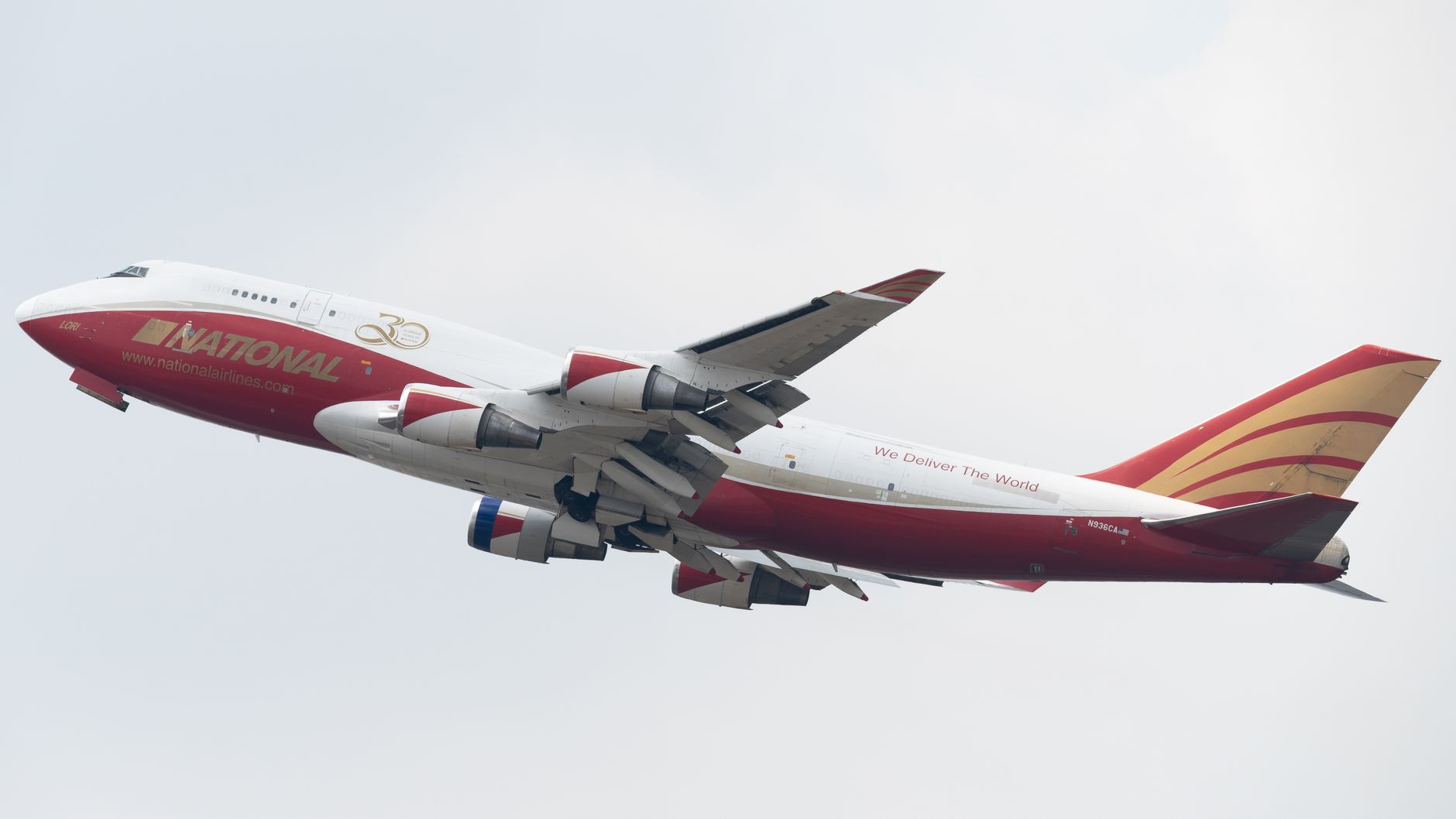
Container Freight Rates have seen a significant rebound after three weeks of decline, presenting new opportunities for businesses in the logistics sector.
Understanding Recent Trends in Freight Rates
Recent trends in container freight rates have shown a notable rebound after a period of decline lasting three weeks. This fluctuation is primarily influenced by various global economic factors and seasonal demand patterns. Industry experts suggest that shippers must stay informed to effectively navigate these changes.
Several key factors contribute to the recent changes in freight rates:
- Global Supply Chain Disruptions: Ongoing challenges in logistics can lead to sudden increases in demand for shipping.
- Seasonal Demand: Certain times of the year, such as holidays, often see spikes in shipping volume.
- Fuel Prices: Fluctuations in fuel costs directly impact transportation expenses.
As the container freight rates continue to evolve, shippers are encouraged to evaluate their shipping strategies to maximize cost efficiency.
Factors Influencing Container Freight Rates
Container freight rates are influenced by a myriad of factors that can significantly impact shipping costs. Understanding these variables is crucial for businesses looking to optimize their logistics.
- Supply and Demand: The balance between available container space and cargo demand plays a pivotal role in determining rates.
- Fuel Prices: Fluctuations in fuel prices can lead to adjustments in shipping costs, as carriers often pass these expenses onto customers.
- Seasonality: Certain times of the year see increased shipping activity, leading to heightened demand and potentially higher freight rates.
- Geopolitical Factors: Trade agreements, tariffs, and political instability can disrupt shipping routes and affect pricing.
- Port Congestion: Delays at ports can increase turnaround times, influencing overall shipping costs.
By staying informed about these factors, businesses can better navigate the complexities of container freight rates.
How to Optimize Your Shipping Strategy
To effectively optimize your shipping strategy, it’s crucial to stay informed about container freight rates and their fluctuations. Here are some proven methods to help you maximize your shipping costs:
- Leverage Technology: Utilize advanced shipping software to track rates and find the best deals in real time.
- Negotiate Contracts: Build strong relationships with carriers to negotiate better terms and lower rates.
- Consolidate Shipments: Combine smaller shipments into larger ones to benefit from bulk rates and reduce overall costs.
- Plan Ahead: Anticipate shipping needs and book in advance to avoid peak season surcharges.
- Monitor Market Trends: Regularly review market trends to adjust your strategy according to changes in container freight rates.
By implementing these strategies, businesses can enhance their shipping efficiency and manage costs effectively.
The Impact of Global Events on Freight Costs
The fluctuation of container freight rates is significantly influenced by global events. Recent occurrences such as geopolitical tensions, natural disasters, and economic shifts have a direct impact on supply chains and shipping costs. For instance, disruptions in major trade routes can lead to increased shipping delays, driving up container freight rates.
Additionally, changes in fuel prices can ripple through the logistics sector, further affecting overall shipping expenses. As shipping companies adapt to these challenges, they often adjust their pricing strategies, which can lead to unexpected spikes in rates.
To navigate these turbulent waters, businesses must stay informed about global events that could affect freight costs. Understanding these dynamics is crucial for optimizing shipping strategies and anticipating changes in container freight rates.
- Geopolitical tensions
- Natural disasters
- Economic shifts
Future Predictions for Container Freight Rates
As we look ahead, experts predict that container freight rates will continue to fluctuate in response to various global dynamics. Industry analysts suggest that several key factors will shape the future of shipping costs, including:
- Global Demand: An increase in consumer demand can lead to higher freight rates as shipping capacity struggles to keep pace.
- Regulatory Changes: New environmental regulations may impact shipping practices, potentially raising costs.
- Technological Advancements: Innovations in logistics and supply chain management could streamline operations, potentially stabilizing rates.
- Geopolitical Tensions: Ongoing conflicts and trade disputes may disrupt shipping routes, causing unpredictable fluctuations in freight rates.
In conclusion, staying informed about these factors will be crucial for businesses aiming to navigate the evolving landscape of container freight rates effectively.
Best Practices for Managing Shipping Expenses
Managing shipping expenses effectively is crucial for businesses aiming to optimize their logistics. Here are some best practices to consider:
- Negotiate Rates: Establish relationships with multiple carriers to negotiate better container freight rates.
- Consolidate Shipments: Combining smaller shipments into one can reduce overall shipping costs.
- Plan Ahead: Avoid last-minute bookings, which often come with premium rates. Early planning allows for better pricing and availability.
- Monitor Freight Rates: Stay informed about market fluctuations to adapt your shipping strategy accordingly.
- Utilize Technology: Invest in logistics software to analyze shipping patterns and identify cost-saving opportunities.
By implementing these practices, businesses can better manage their shipping expenses and navigate the complexities of container freight rates.
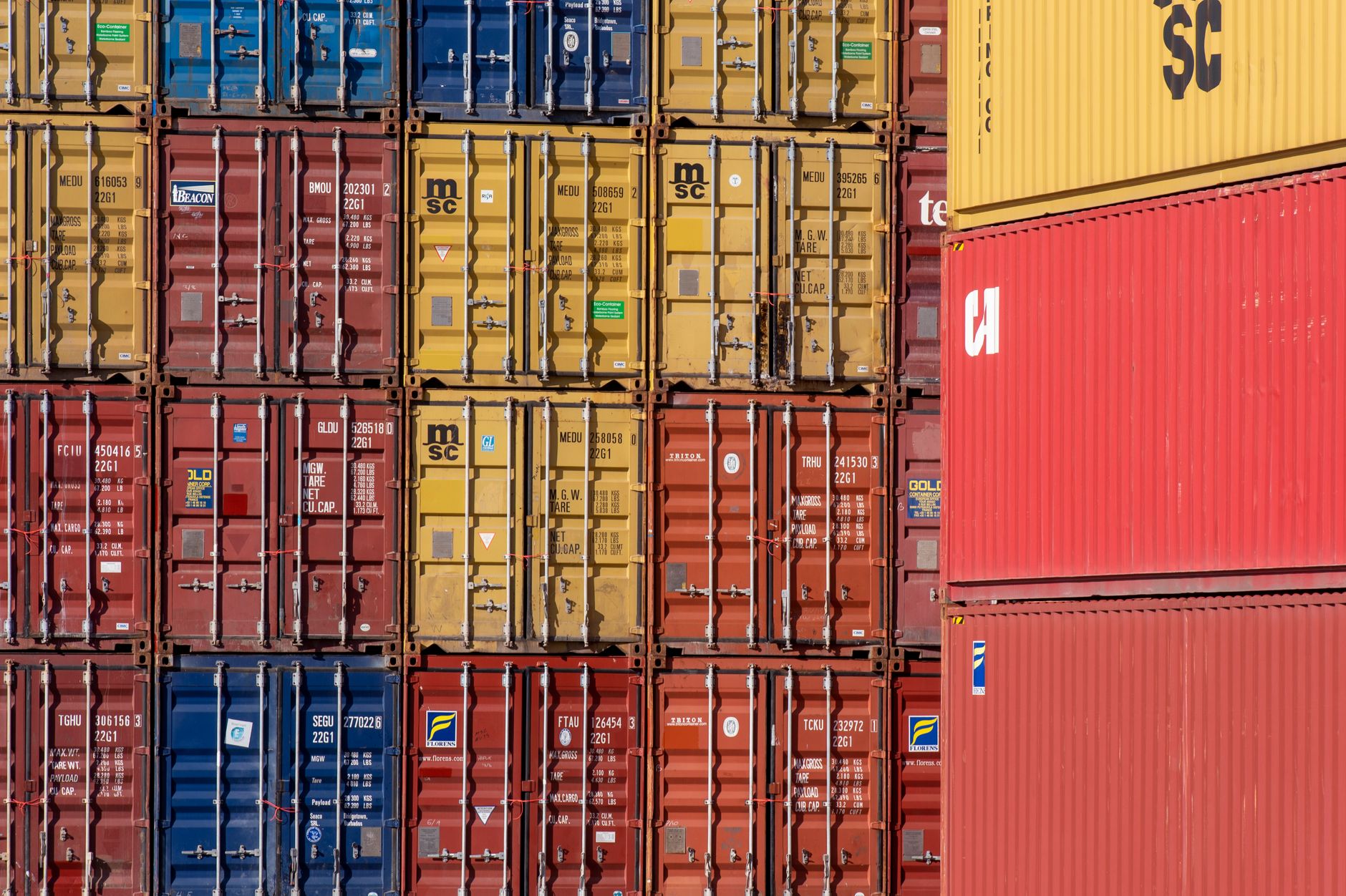
Photo by Jan van der Wolf on Pexels
Sources
Related stories
Accenture Chinese operations sale: A Smart Move Worth $1.5bn · Zions Bancorporation Q3 earnings: Worst Expectations Unveiled · Gold ETF investment freeze: What’s the Real Impact?