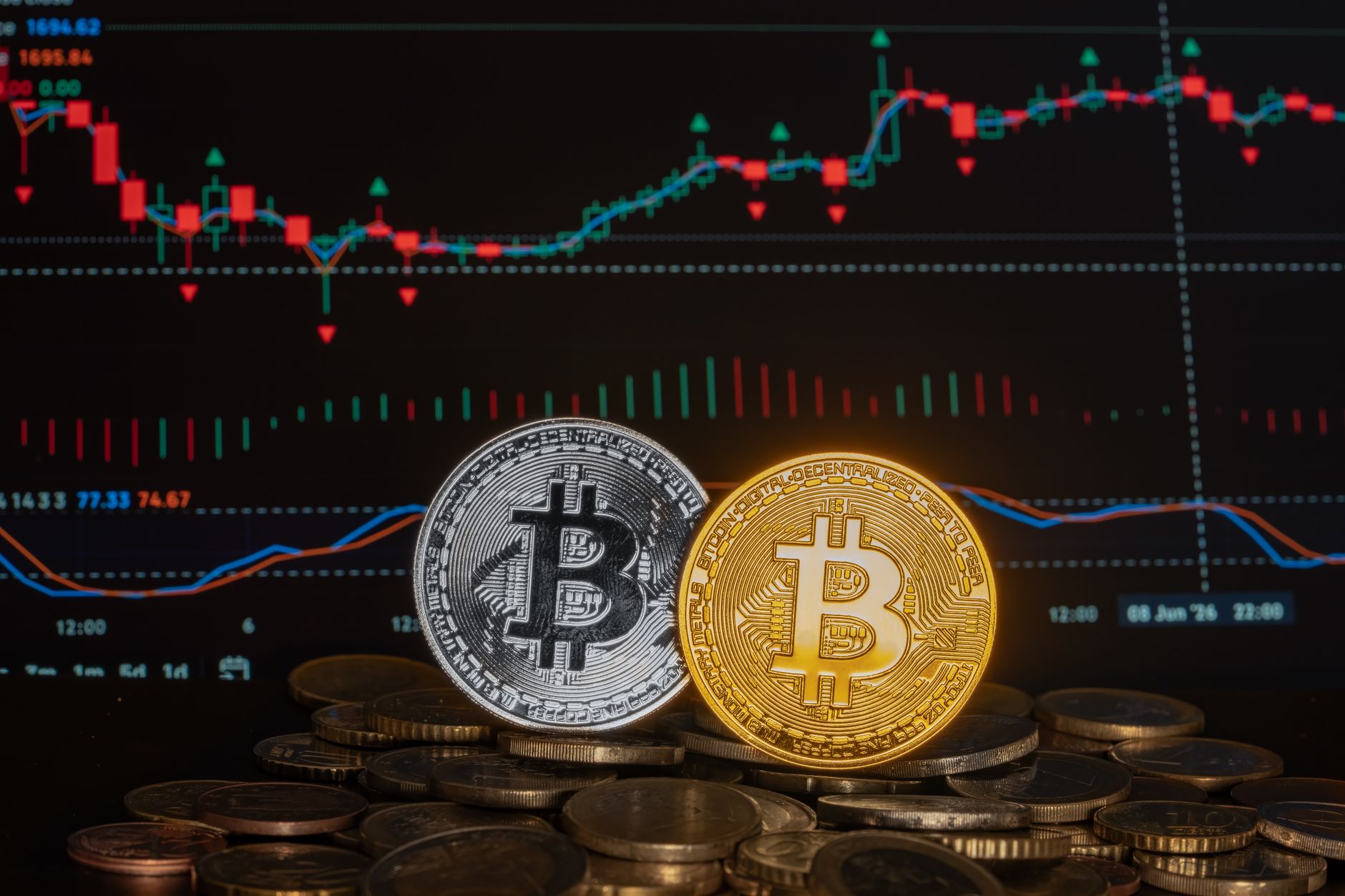
Bitcoin price indicators are essential for traders looking to navigate the market effectively. In November 2026, understanding these key metrics can significantly impact trading decisions.
Understanding Bitcoin Price Indicators
Understanding Bitcoin price indicators is crucial for traders looking to navigate the volatile cryptocurrency market. These indicators can provide valuable insights into market trends and potential price movements. Here are five key indicators to watch closely this November:
- Moving Averages: This indicator helps smooth out price data to identify the direction of the trend. The 50-day and 200-day moving averages are particularly significant for traders.
- Relative Strength Index (RSI): The RSI measures the speed and change of price movements and can indicate whether Bitcoin is overbought or oversold.
- Volume Analysis: Examining trading volume can help assess the strength of a price movement. Increased volume often suggests a stronger trend.
- Bollinger Bands: These bands provide a visual representation of volatility and can signal potential price breakouts or reversals.
- Market Sentiment: Keeping an eye on news and market sentiment is essential, as this can greatly influence Bitcoin price indicators and trader behavior.
Top 5 Indicators to Watch
As traders navigate the complexities of the cryptocurrency market, it is essential to keep an eye on key metrics that can influence Bitcoin price. Here are the top 5 indicators to watch this November:
- Moving Averages: The 50-day and 200-day moving averages can provide insight into market trends and potential reversals.
- Relative Strength Index (RSI): This momentum oscillator helps traders identify overbought or oversold conditions, giving clues about possible price corrections.
- Trading Volume: Analyzing trading volume can indicate the strength of a price move; higher volume often correlates with stronger price trends.
- Market Sentiment: Tools like the Fear and Greed Index can gauge overall market sentiment, revealing whether traders are feeling bullish or bearish.
- Hash Rate: Monitoring the Bitcoin hash rate can provide insights into network security and miner activity, impacting overall market confidence.
By closely observing these Bitcoin price indicators, traders can make more informed decisions in the ever-evolving market landscape.
How to Analyze Bitcoin Trends
Analyzing Bitcoin trends requires a comprehensive approach that takes into account various Bitcoin price indicators. Understanding the market sentiment, trading volume, and historical price movement can provide valuable insights for traders.
Here are some effective methods to analyze Bitcoin trends:
- Technical Analysis: Utilize charts and patterns to predict future price movements. Look for support and resistance levels, which can indicate potential entry and exit points.
- Moving Averages: Implement short-term and long-term moving averages to smooth out price fluctuations and identify the overall trend direction.
- Volume Analysis: Monitor trading volume alongside price changes. High volume can signify strength behind a price movement, while low volume may indicate weakness.
- Market Sentiment: Gauge investor sentiment through social media trends and news coverage. Positive sentiment often correlates with price increases.
- On-Chain Metrics: Analyze data directly from the Bitcoin blockchain, such as active addresses and transaction counts, to understand network usage and health.
By combining these strategies, traders can make more informed decisions in the volatile Bitcoin market.
Market Sentiment: The Key to Trading Success
Market sentiment plays a crucial role in determining Bitcoin price indicators and can significantly impact trading decisions. Understanding the psychological factors that drive market behavior is essential for traders looking to capitalize on price movements. Here are some key aspects to consider:
- Investor Sentiment: Gauge whether the market is feeling bullish or bearish by monitoring social media trends and news headlines.
- Fear and Greed Index: This tool helps to measure market emotions, providing insights into whether traders are overly optimistic or fearful.
- Trading Volume: High trading volumes often indicate strong market interest, while low volumes can suggest a lack of conviction.
- Market News: Major announcements or regulatory changes can swiftly alter market sentiment, affecting Bitcoin price indicators.
- Community Engagement: Active discussions within the cryptocurrency community can reflect the general mood and future expectations regarding Bitcoin.
By staying attuned to market sentiment, traders can enhance their strategies and improve their chances of successful trading in November.