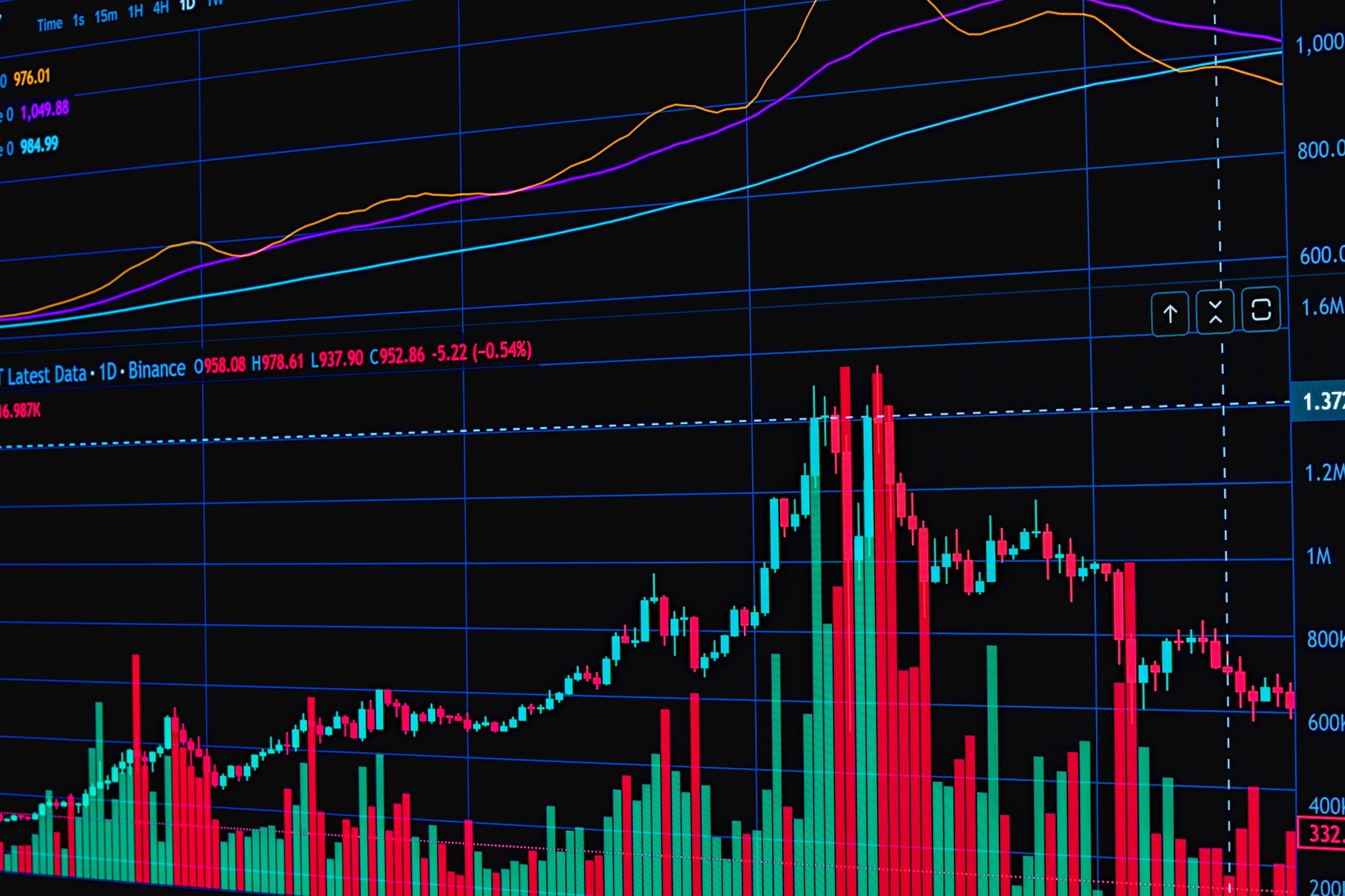
Indian stocks debt binge has become a major topic as leverage surges to unprecedented levels. Investors are now questioning the sustainability of this trend amid rising market volatility.
Understanding the Indian Stocks Debt Binge
The recent surge in Indian stocks has coincided with a significant increase in corporate borrowing, leading to what many analysts are calling an Indian stocks debt binge. This phenomenon has raised concerns among investors and financial experts alike.
As companies seek to capitalize on rising stock prices, they are increasingly turning to debt as a means of financing their growth. The trend has resulted in a staggering $33 billion in new borrowings, which has fueled both optimism and anxiety in the market.
Key factors contributing to this debt binge include:
- Low-Interest Rates: Organizations are taking advantage of historically low borrowing costs to fund expansion and acquisitions.
- Market Sentiment: The bullish sentiment surrounding Indian equities has encouraged firms to leverage their balance sheets more aggressively.
- Regulatory Environment: A more favorable regulatory framework has made it easier for companies to access capital markets.
While this debt binge may provide short-term gains, many experts warn of potential long-term repercussions. As companies increase their leverage, the risk of economic downturns or rising interest rates could lead to financial strain, raising questions about the sustainability of this borrowing spree.
Impact of Leverage on Market Stability
The surge in leverage among investors in Indian stocks has raised concerns about the overall stability of the market. As the debt binge continues, analysts warn that excessive borrowing can lead to significant market volatility. The current trend of heightened leverage creates a precarious situation, where even minor fluctuations in stock prices can trigger substantial losses for heavily indebted investors.
Several key factors contribute to the impact of leverage on market stability:
- Increased Volatility: High levels of debt can amplify price swings, making the market more susceptible to sudden downturns.
- Margin Calls: When stocks decline, investors may face margin calls, forcing them to sell assets at unfavorable prices, further driving down market values.
- Liquidity Risks: A heavy reliance on borrowed funds can strain liquidity, making it difficult for investors to exit positions during market stress.
- Psychological Factors: The fear of losses can lead to panic selling, exacerbating market declines and creating a vicious cycle.
As the Indian stocks debt binge progresses, these factors highlight the potential dangers of leveraging in a volatile market environment. Investors must weigh the risks carefully against the potential rewards.
Risks Associated with High Debt Levels
The rising trend of high debt levels in the Indian stock market raises significant concerns among investors and analysts alike. A growing number of companies are engaging in a debt binge, taking on excessive loans to finance expansion and operations without a clear strategy for repayment. This trend can lead to several risks:
- Increased Default Risk: Companies burdened with high debt may struggle to meet their interest obligations, leading to potential defaults that can destabilize the market.
- Market Volatility: High levels of leverage can result in amplified market fluctuations, as even minor changes in earnings can significantly impact stock prices.
- Investor Sentiment: A widespread perception of risk associated with high debt can erode investor confidence, leading to sell-offs and further declines in stock values.
- Regulatory Scrutiny: As debt levels rise, so does the likelihood of increased scrutiny from regulatory bodies, which can result in stricter lending practices and compliance requirements.
- Long-term Sustainability: Companies focusing on short-term gains through debt may neglect long-term growth strategies, jeopardizing their future viability.
In light of these risks, the Indian stocks debt binge warrants careful consideration by all market participants.
Expert Opinions on Current Trends
Experts are weighing in on the current trends surrounding the Indian stocks debt binge, highlighting both the opportunities and risks associated with increased leverage in the market. According to renowned market analyst Dr. Aditi Sharma, the surge in borrowing among investors is a double-edged sword. She notes, “While leveraging can amplify returns, it can also magnify losses, especially in a volatile market.”
Another financial strategist, Mr. Ravi Menon, emphasizes the importance of cautious optimism. He states, “The recent $33 billion debt binge indicates a confidence in the market, but it also raises red flags about sustainability and potential corrections.” He urges investors to maintain a balanced approach and consider the long-term implications of high debt levels.
Additionally, investment advisor Ms. Priya Kapoor warns that the heightened reliance on debt could lead to a market bubble. She suggests that investors must assess their risk tolerance and avoid overly aggressive strategies in this environment. As the market continues to evolve, expert opinions suggest that while there are opportunities for growth, the potential pitfalls of the Indian stocks debt binge cannot be overlooked.
Historical Context of Debt in Indian Markets
The historical context of debt in Indian markets provides a crucial backdrop for understanding the current Indian stocks debt binge. Over the years, Indian companies have increasingly turned to debt financing to fuel growth and expansion. This trend accelerated significantly after the 2008 financial crisis, as low-interest rates and a supportive regulatory environment encouraged borrowing.
In the early 2010s, many firms began leveraging their balance sheets, often leading to substantial increases in debt levels. This period saw the rise of several sectors, particularly infrastructure and real estate, which relied heavily on borrowed funds. However, the dependence on debt also made these sectors vulnerable to economic downturns, resulting in high default rates during periods of market stress.
Moreover, the recent surge in borrowing has raised concerns among investors and analysts alike. Some experts argue that the current debt binge could mirror past crises, where excessive leverage led to significant market corrections. As the Indian stock market continues to experience volatility, the implications of this historical context cannot be overlooked. Understanding the lessons from the past becomes essential for navigating the current landscape and making informed investment decisions.
- Post-2008 borrowing trends
- Sector-specific impacts
- Lessons from previous crises
Future Outlook for Investors
The future outlook for investors in the context of the Indian stocks debt binge remains uncertain and complex. As the market continues to grapple with the implications of high leverage, several factors will play a critical role in shaping investment strategies.
Investors should consider the following key aspects:
- Market Volatility: Increased debt levels can lead to greater market fluctuations, making it essential for investors to stay informed about economic indicators and market dynamics.
- Interest Rates: The trajectory of interest rates will significantly impact companies’ ability to service their debt. Rising rates may lead to tighter margins for highly leveraged firms.
- Regulatory Environment: Potential changes in regulations governing borrowing and leverage in the stock market could alter the landscape for investors, highlighting the need for vigilance.
- Sector Performance: Certain sectors may be more susceptible to the effects of high debt levels, and investors should conduct thorough analyses to identify which areas may present opportunities or risks.
In conclusion, while the Indian stocks debt binge presents significant challenges, it also offers opportunities for those willing to navigate the complexities of the current market environment.
The Indian stocks debt binge has raised concerns among analysts regarding the long-term sustainability of such aggressive borrowing. Many investors are now questioning whether the Indian stocks debt binge is setting the stage for a potential market correction.
Where this came from
OpenPayd Nasdaq Listing: Smart Move for Growth · Ciena Stock Investment: The Right Path to Proven Growth · Yorkton Equity Group: Is This the Best Share Acquisition Strategy?