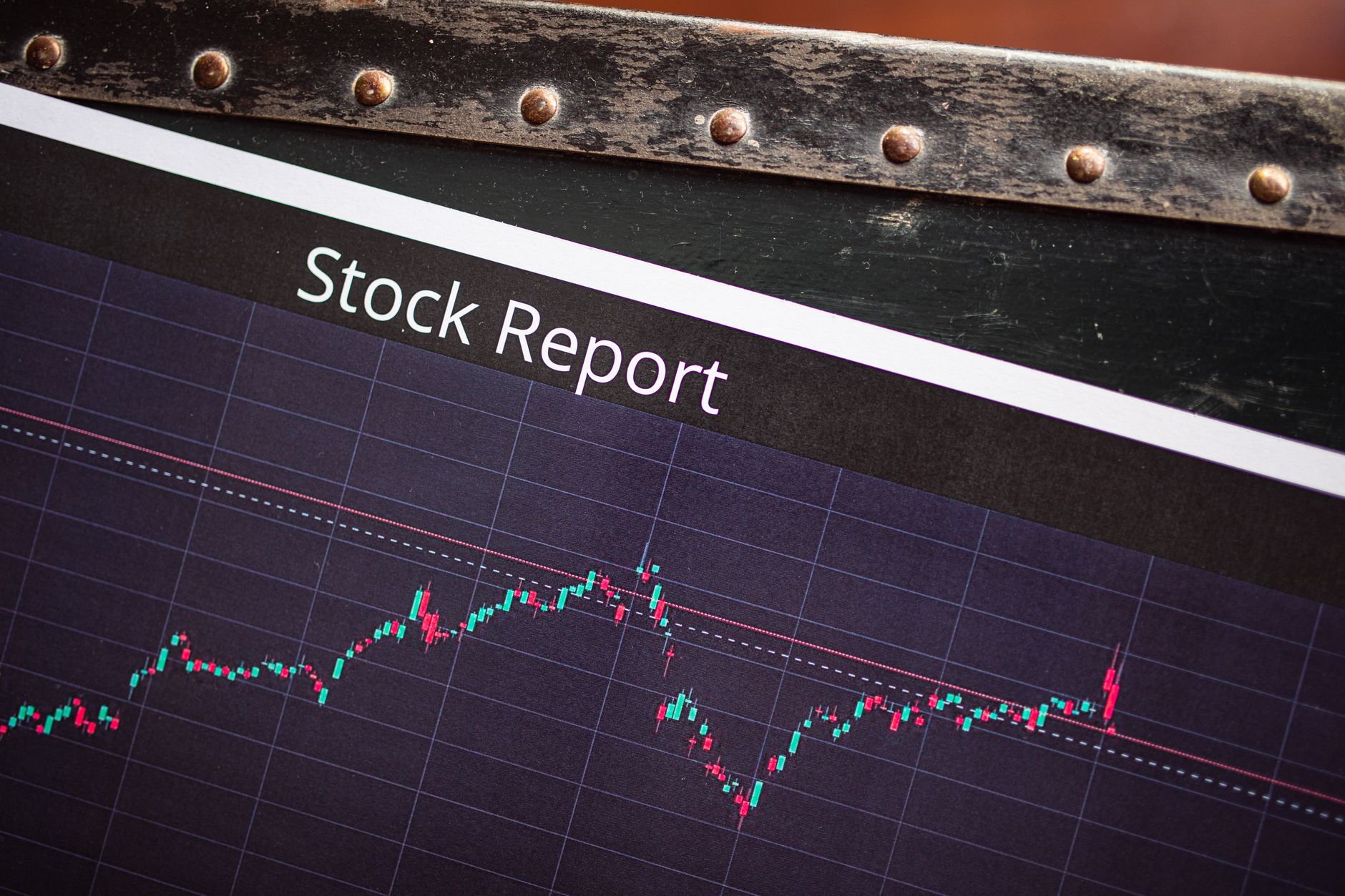
Indian markets stabilise as oil prices fall, leading to a positive shift in investor sentiment. This stabilization has been reflected in the performance of consumer durable stocks, lifting both Sensex and Nifty.
Overview of Current Market Trends
The Indian markets have shown signs of stability in recent days, largely influenced by declining oil prices and a strengthening rupee. This positive trend has provided a much-needed boost to investor confidence. As the Sensex and Nifty indices demonstrate resilience, market participants are keenly assessing the implications for future investments.
Several factors contribute to the current market dynamics:
- Declining Oil Prices: A reduction in global oil prices has eased concerns regarding inflation and the trade deficit, allowing investors to breathe a sigh of relief.
- Strengthening Rupee: The Indian rupee’s appreciation against the dollar has further bolstered market sentiment, making imports cheaper and enhancing corporate profitability.
- Consumer Durable Stocks: The surge in consumer durable stocks has played a pivotal role in lifting the indices, reflecting increased domestic consumption and robust demand.
As the Indian markets stabilise, analysts suggest that this may present an opportune moment for investors to consider entering the market or re-evaluating their portfolios. With the right strategies, investors could capitalize on the current trends and position themselves advantageously for the future.
Impact of Falling Oil Prices
The recent downturn in oil prices has had a significant impact on Indian markets, contributing to their stabilisation. As oil becomes more affordable, the cost pressures on various sectors, particularly transportation and manufacturing, are expected to ease. This trend is evident in the performance of consumer durable stocks, which have shown resilience and growth in response to the favorable economic conditions.
Analysts suggest that the decline in oil prices may lead to a reduction in inflationary pressures, providing room for the Reserve Bank of India to consider monetary policy adjustments. This prospect could further bolster investor confidence, leading to increased market participation.
- Positive Consumer Sentiment: Lower oil prices generally translate to reduced transportation costs, which can enhance consumer spending power.
- Sectoral Gains: Sectors such as automobile, aviation, and logistics are poised to benefit from the cost reductions associated with falling oil prices.
- Global Influences: As oil prices stabilise globally, Indian markets are likely to mirror these trends, reinforcing the idea that this may be an opportune moment for investors.
With the Indian markets stabilising and positive indicators emerging, many are wondering if now is the best time to invest. The interplay between falling oil prices and market performance could set the stage for sustainable growth in the coming months.
Rupee Strength Against the Dollar
The Indian rupee has shown remarkable strength against the US dollar in recent weeks, contributing significantly to the overall stability of the Indian markets. This positive trend comes as a welcome relief for investors who have been navigating through a period of volatility.
Factors contributing to the rupee’s appreciation include:
- Increased Foreign Investment: As confidence in the Indian economy grows, foreign investors are returning, leading to higher demand for the rupee.
- Trade Balance Improvements: A narrowing trade deficit has bolstered the rupee’s value, making imports cheaper and the currency stronger.
- RBI’s Monetary Policy: The Reserve Bank of India’s proactive measures to control inflation and stabilize the financial system have provided further support for the rupee.
This strengthened rupee is not just a fleeting phenomenon; it reflects the underlying fundamentals of the Indian economy, which continues to attract investment despite global uncertainties. As the Indian markets stabilise, many analysts are beginning to suggest that this could be an opportune moment for new investments.
With the rupee gaining strength, investors are advised to closely monitor market conditions and consider the potential for returns in various sectors, particularly those benefiting from lower import costs.
Consumer Durable Stocks Performance
In recent sessions, the Indian markets stabilise, showing resilience particularly in the consumer durable sector. As investors become increasingly optimistic, key stocks in this category have witnessed significant gains, contributing positively to the overall sentiment in both the Sensex and Nifty indices.
The performance of consumer durable stocks can be attributed to several factors:
- Increased Consumer Spending: With a boost in consumer confidence, households are more willing to invest in durable goods, leading to higher sales for companies in this sector.
- Seasonal Demand: The festive season in India typically drives demand for consumer durables, which has been evident this year as companies report robust quarterly earnings.
- Innovative Product Launches: Firms have introduced new and technologically advanced products, enticing consumers and expanding market share.
- Positive Market Sentiment: The overall stability in the markets has encouraged investors to shift their focus towards consumer durables, which are perceived as safer bets during volatile times.
As the markets stabilise, analysts suggest that investing in consumer durable stocks could be a prudent strategy. With strong fundamentals and an optimistic outlook, these stocks are likely to continue their upward trajectory, making them an attractive option for both new and seasoned investors.
Investor Sentiment Analysis
As Indian markets stabilise, investor sentiment has shown signs of recovery after a period of volatility. Analysts suggest that the recent decline in oil prices and the strengthening of the rupee have positively influenced market dynamics, leading to increased confidence among investors.
Many market participants are expressing cautious optimism, highlighting several factors that contribute to this shift:
- Market Resilience: The ability of Indian stocks to maintain stability amidst global uncertainties has reassured investors about the robustness of the domestic economy.
- Positive Economic Indicators: Recent reports indicate an upward trend in manufacturing and service sectors, which further enhances market confidence.
- Consumer Durable Sector Performance: The strong performance of consumer durable stocks has played a pivotal role in lifting indices such as Sensex and Nifty, attracting more investments.
- Long-term Growth Potential: Investors are increasingly viewing the current market as an opportunity for long-term gains, especially with valuations appearing more attractive.
While some investors remain cautious due to potential geopolitical risks and inflationary pressures, the overall sentiment leans towards optimism. As the Indian markets stabilise, now may be an opportune moment for investors to reassess their portfolios and consider potential opportunities in various sectors.
Future Outlook for Indian Markets
The future outlook for Indian markets appears promising as they stabilise following a period of volatility. Analysts suggest that several key factors will influence market performance in the coming months, creating potential opportunities for investors.
Firstly, the stabilisation of oil prices is expected to have a positive impact on inflation rates, which could lead to more favorable monetary policies from the Reserve Bank of India. A stable economic environment typically encourages investment, and this could result in increased capital inflow into the markets.
Secondly, the strengthening of the rupee against the dollar can boost investor confidence, especially among foreign investors. With a stronger currency, imported goods become cheaper, potentially enhancing corporate profitability for companies reliant on foreign trade.
- Sectoral Growth: Analysts highlight growth in sectors such as technology and renewable energy, which could attract investment.
- Government Initiatives: Continued government support through policy initiatives may bolster market confidence.
- Global Economic Factors: Monitoring global economic trends, including interest rates and geopolitical stability, will be crucial.
In conclusion, as Indian markets stabilise, investors may consider this an opportune moment to strategically position themselves for potential growth, leveraging the current market dynamics.
As investors weigh their options, the question remains whether now is the right moment to dive in as Indian markets stabilise. Analysts suggest that with the recent trends, Indian markets stabilise could signal a favorable environment for long-term investments.
Photo by Pramod Tiwari on Pexels