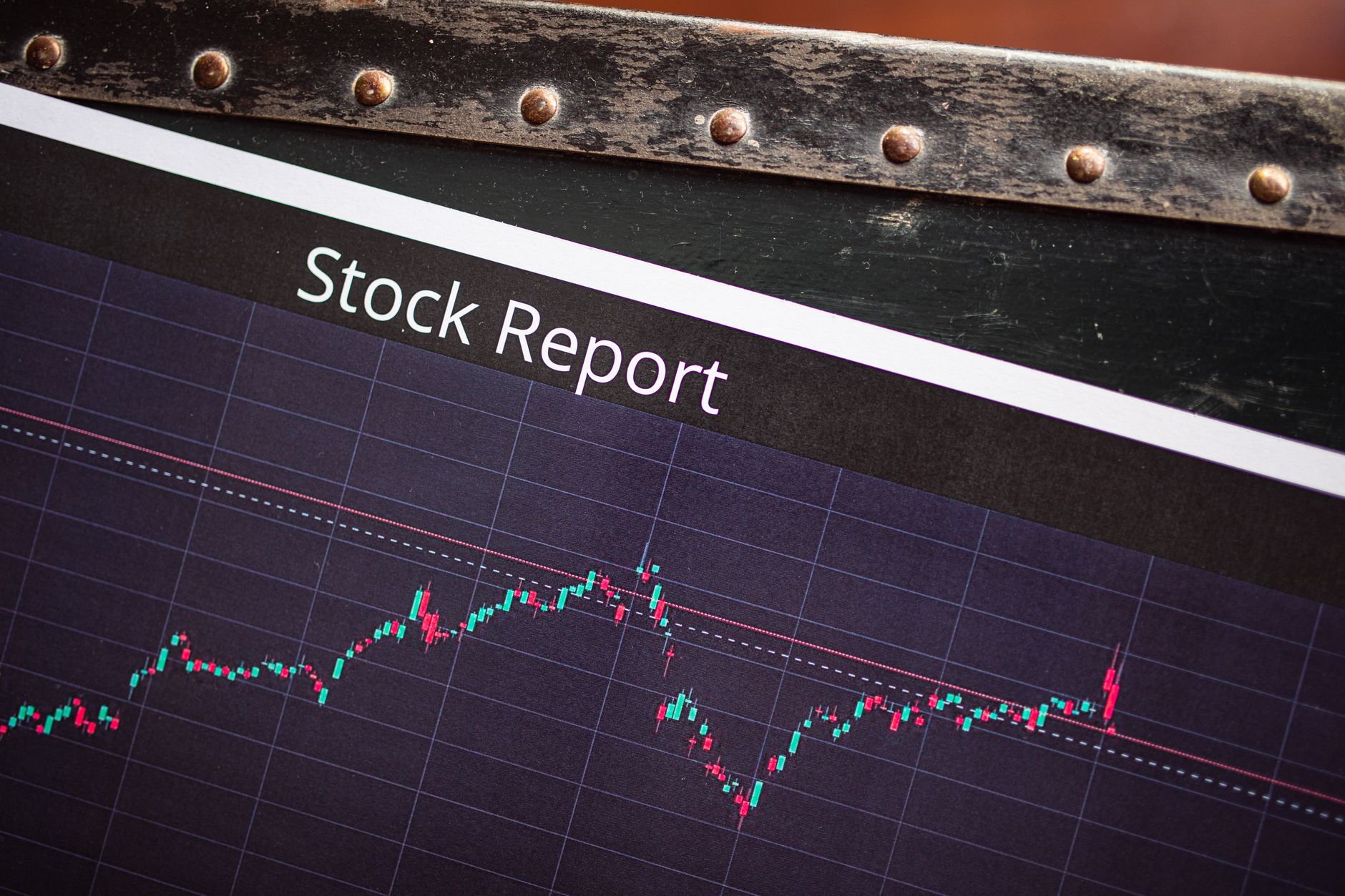
Stock market trends are expected to be driven by Q2 earnings and inflation data this week. Investors are keen to see how these factors will affect market performance and oil prices.
Understanding Q2 Earnings Reports
As investors analyze the latest Q2 earnings reports, the impact of these results on stock market trends becomes increasingly clear. Companies across various sectors are revealing their financial health, which can significantly influence market sentiment.
Key factors to consider include:
- Earnings Surprises: Companies that exceed expectations often see their stock prices rise, while those that fall short may experience declines.
- Sector Performance: Different sectors may react differently to earnings reports, affecting overall market trends.
- Inflation Data: The interplay between earnings and inflation can create volatility, influencing investor decisions.
Overall, understanding these Q2 earnings reports is crucial for predicting future stock market trends and making informed investment choices.
Inflation Data and Its Impact
Inflation data plays a crucial role in shaping stock market trends, as it influences investor sentiment and economic forecasts. Recent reports indicate that inflation rates have shown signs of stabilization, which could ease concerns surrounding rising costs. However, any unexpected fluctuations in inflation figures may lead to increased volatility in the markets.
Analysts are closely monitoring several key indicators that could signal shifts in inflation, including:
- Consumer Price Index (CPI)
- Producer Price Index (PPI)
- Core inflation rates
As these data points are released, investors will be assessing their potential impact on interest rates and overall economic growth. The interplay between inflation and earnings will be critical in determining future stock market trends, guiding investment strategies in a fluctuating economic landscape.
How Oil Prices Affect Markets
The fluctuation of oil prices is a critical factor influencing stock market trends. As oil serves as a primary energy source globally, its prices can significantly impact various sectors, including transportation and manufacturing. When oil prices rise, companies often face increased operational costs, which can lead to lower profit margins.
Conversely, falling oil prices typically provide relief for consumers and businesses, potentially boosting economic growth and encouraging spending. Investors closely monitor these changes, as they can lead to shifts in market sentiment.
Additionally, fluctuations in oil prices can affect inflation rates, further intertwining them with stock market performance. Market analysts emphasize the importance of understanding these dynamics as they assess future trends and make strategic investment decisions.
- Rising oil prices can squeeze profit margins.
- Falling prices may stimulate consumer spending.
Analyzing Recent Stock Performance
Investors have been closely monitoring recent stock market trends as companies release their Q2 earnings reports. The latest data indicates a mixed performance, with some sectors outperforming expectations while others lag behind. For instance, technology stocks have seen a resurgence, driven by strong demand for digital services and products.
Conversely, the consumer goods sector is facing challenges due to rising inflation and fluctuating oil prices. Analysts are particularly focused on how these factors may influence consumer spending patterns and overall market stability.
In light of these developments, market experts suggest that a strategic approach is essential. Key takeaways from this week’s reports include:
- Heightened volatility in tech stocks
- Pressure on consumer discretionary spending
- Resilience in industrial sectors
Expert Predictions for This Week
As analysts look ahead to the upcoming week, expert predictions suggest that stock market trends will heavily depend on the latest earnings reports and inflation data. Many financial experts are focusing on the following key indicators:
- Company Earnings: A number of significant firms are set to release their quarterly earnings, which could provide insight into the overall economic health.
- Inflation Rates: With inflation continuing to be a major concern, any new data could sway investor confidence.
- Federal Reserve Signals: Anticipated comments from the Federal Reserve may also influence market sentiment.
In light of these factors, investors are advised to remain vigilant as they navigate potential fluctuations in stock market trends this week.
Key Economic Indicators to Watch
As investors navigate the complexities of stock market trends, several key economic indicators warrant close attention. These indicators can significantly influence market dynamics and investor sentiment.
- Unemployment Rates: A decline in unemployment often correlates with increased consumer spending, providing a boost to corporate earnings.
- Consumer Confidence Index: High consumer confidence can lead to greater spending, positively impacting businesses and stock prices.
- Interest Rates: Central banks’ decisions on interest rates can affect borrowing costs, influencing both consumer behavior and corporate investments.
- Manufacturing Data: Insights into manufacturing productivity can indicate overall economic health, impacting stock market trends.
Monitoring these indicators can provide valuable insights for investors looking to make informed decisions in a fluctuating market.
Investing Strategies Amid Volatility
As investors navigate the shifting landscape of stock market trends, developing effective strategies amid volatility is crucial. Market fluctuations driven by earnings reports and inflation data require a keen understanding of timing and risk management. Here are some strategies to consider:
- Diversification: Spreading investments across various sectors can mitigate risks associated with sudden market downturns.
- Dollar-Cost Averaging: Investing a fixed amount regularly can reduce the impact of volatility, allowing investors to buy more shares when prices are low.
- Staying Informed: Keeping abreast of economic indicators, such as inflation rates and earnings surprises, can help investors make timely decisions.
- Long-Term Perspective: Focusing on long-term gains rather than short-term fluctuations can provide a buffer against market noise.
By employing these strategies, investors can better navigate the complexities of current market conditions.
Historical Trends in Stock Markets
Historically, stock market trends have been significantly influenced by a variety of economic factors, including earnings reports and inflation rates. Over the past few decades, investors have observed that:
- Earnings Growth: Companies reporting strong earnings often lead to positive market sentiment, driving stock prices higher.
- Inflationary Pressures: Rising inflation tends to create volatility, as it affects consumer spending and corporate profits.
- Market Cycles: The stock market frequently experiences cycles of growth and contraction, reflecting broader economic conditions.
- Sector Performance: Certain sectors, such as technology or consumer goods, may react differently to earnings and inflation trends.
Understanding these historical trends can provide valuable insights for investors navigating current market conditions and anticipating future movements in stock market trends.
Photo by RDNE Stock project on Pexels
References
You might also like
Nifty break above 22750: Is it the best time to invest? · Tax-Free Personal Allowance: Clear Benefits for Households · RBI rate hike: The Clear Impact on Banking Sector