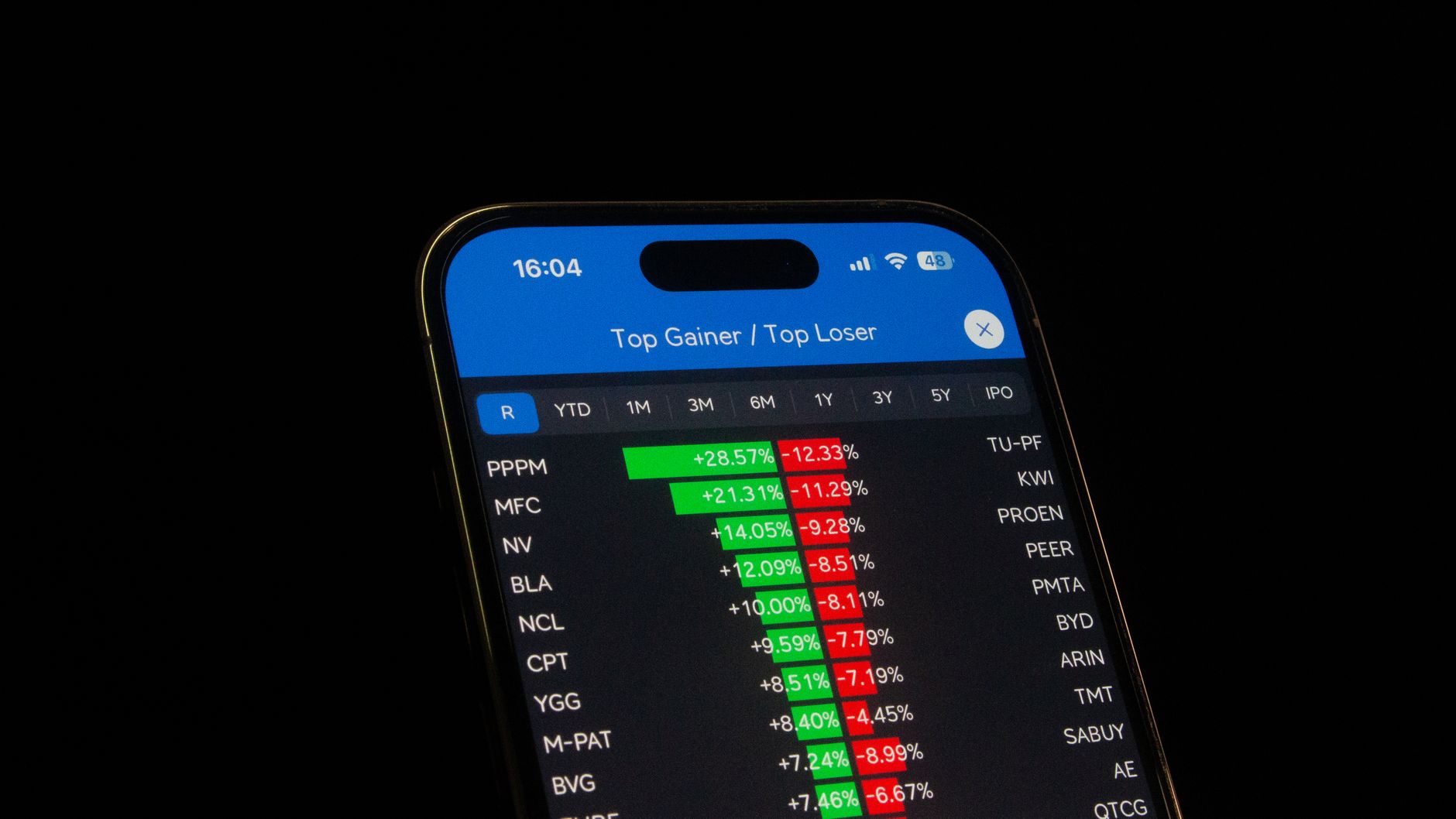
Sebi clarity on peak margin is essential as stockbrokers seek guidance following recent changes. The need for clear regulations has become increasingly urgent in the evolving market landscape.
Understanding Sebi’s Role in Market Regulations
The Securities and Exchange Board of India (Sebi) plays a crucial role in regulating the Indian securities market. Its primary goal is to protect investor interests, promote fair trading practices, and facilitate the development of the securities market. Recently, the discussion around peak margin regulations has gained traction, especially following the recent relief granted to investors under the Enhanced Portfolio Investment (EPI) framework.
Stockbrokers have voiced concerns regarding the implementation of peak margin rules, which require traders to maintain a certain percentage of margin in their accounts before executing trades. The introduction of such rules aims to mitigate risks and ensure that investors are not over-leveraging their positions. However, many in the industry feel that the regulations could impact liquidity and trading volumes.
As a response to these concerns, stockbrokers are seeking Sebi clarity on peak margin regulations to better understand their implications. They argue that clearer guidelines could help in balancing risk management with the need for market fluidity. The ongoing dialogue between market participants and regulators is essential for achieving a sustainable trading environment that safeguards both investors and market integrity.
What Stockbrokers Need from Sebi
As stockbrokers navigate the complexities of market regulations, they are increasingly looking to the Securities and Exchange Board of India (Sebi) for clarity on peak margin requirements. The recent discussions within the industry highlight several key areas where brokers believe clearer guidelines are essential.
- Transparency in Rules: Brokers are calling for comprehensive explanations regarding the peak margin framework, which they feel can be ambiguous and challenging to implement.
- Impact on Liquidity: There are concerns that stringent margin requirements may adversely affect liquidity in the market, making it difficult for traders to execute transactions.
- Adjustment Period: Many brokers are requesting a transitional phase to adapt to any new rules, ensuring they can comply without disrupting their operations significantly.
- Feedback Mechanism: Stockbrokers suggest that a formal feedback mechanism could help Sebi understand the practical challenges faced by the industry regarding peak margin regulations.
In light of these needs, industry representatives are eager for Sebi clarity on peak margin to foster a more conducive trading environment and enhance operational efficiency.
Impact of EPI Relief on Peak Margin
The recent discussions surrounding the peak margin regulations have gained momentum, especially after the introduction of the EPI (Equity Participation Incentive) relief. This relief aims to alleviate some pressure on stockbrokers and traders alike, allowing for more flexibility in margin requirements. However, the implications of this change are still unfolding.
Stockbrokers are particularly concerned about how the EPI relief will influence the current peak margin structure. The relief is intended to provide immediate support, but many are questioning its long-term effectiveness in stabilizing the market. The uncertainty has prompted calls for clearer guidelines from the Securities and Exchange Board of India (Sebi).
It is essential to consider the potential benefits and drawbacks of the new measures:
- Increased Liquidity: The EPI relief may boost trading volumes, enhancing liquidity in the markets.
- Risk Management: Improved guidelines could lead to better risk management practices among brokers.
- Compliance Burdens: On the flip side, stockbrokers fear additional compliance requirements may arise.
As the debate continues, clarity from Sebi regarding the peak margin adjustments will be crucial for ensuring a balanced approach in the evolving market landscape.
Challenges Faced by Stockbrokers
The introduction of the peak margin requirement by Sebi has raised significant concerns among stockbrokers, who face numerous challenges in adapting to the new regulations. One of the primary issues is the increased operational burden that comes with monitoring and managing client margins more rigorously.
Many stockbrokers argue that the current framework leaves them vulnerable to liquidity risks, especially when clients are unable to meet margin calls in a timely manner. This situation is compounded by the need for real-time compliance, which can strain resources and technology systems.
Furthermore, stockbrokers are concerned about the potential for increased trading costs, which could deter retail investors from participating in the market. The need for clarity from Sebi on peak margin requirements is more pressing than ever, as stockbrokers strive to find a balance between regulatory compliance and maintaining client relationships.
In addition, the lack of consistent communication from Sebi regarding changes to the peak margin rules has left many stockbrokers feeling uncertain about their future operations. They are eager for definitive answers that will help them navigate these challenges effectively.
Future of Trading Regulations in India
The future of trading regulations in India is largely influenced by the evolving landscape of market practices and the need for clarity from regulatory bodies like Sebi. With the recent discussions surrounding peak margin requirements, stockbrokers are calling for clearer guidelines that align with their operational realities.
As the market adapts to new measures, several key factors will shape the future of these regulations:
- Enhanced Transparency: A focus on clear communication from Sebi can help market participants better understand compliance requirements.
- Technological Integration: Adoption of advanced trading technologies will be crucial in meeting regulatory standards while improving efficiency.
- Investor Protection: Regulations must prioritize investor protection while ensuring that stockbrokers have the necessary tools to operate effectively.
- Feedback Mechanisms: Establishing regular channels for feedback between Sebi and market participants will help address ongoing concerns.
Ultimately, achieving a balance between stringent regulations and operational flexibility is essential. As stockbrokers seek Sebi clarity on peak margin, the emphasis will remain on fostering a market environment that encourages growth and safeguards investor interests.
The recent Sebi clarity on peak margin has sparked discussions among traders regarding its potential impact on market liquidity. Many believe that this Sebi clarity on peak margin could lead to a more disciplined trading environment.
Sources
Related stories
Bank of Canada interest rate: Is it the worst decision yet? · Bigger banks India: The Right Strategy for Growth · Bank of Canada interest rate: Is it the worst hike ever?