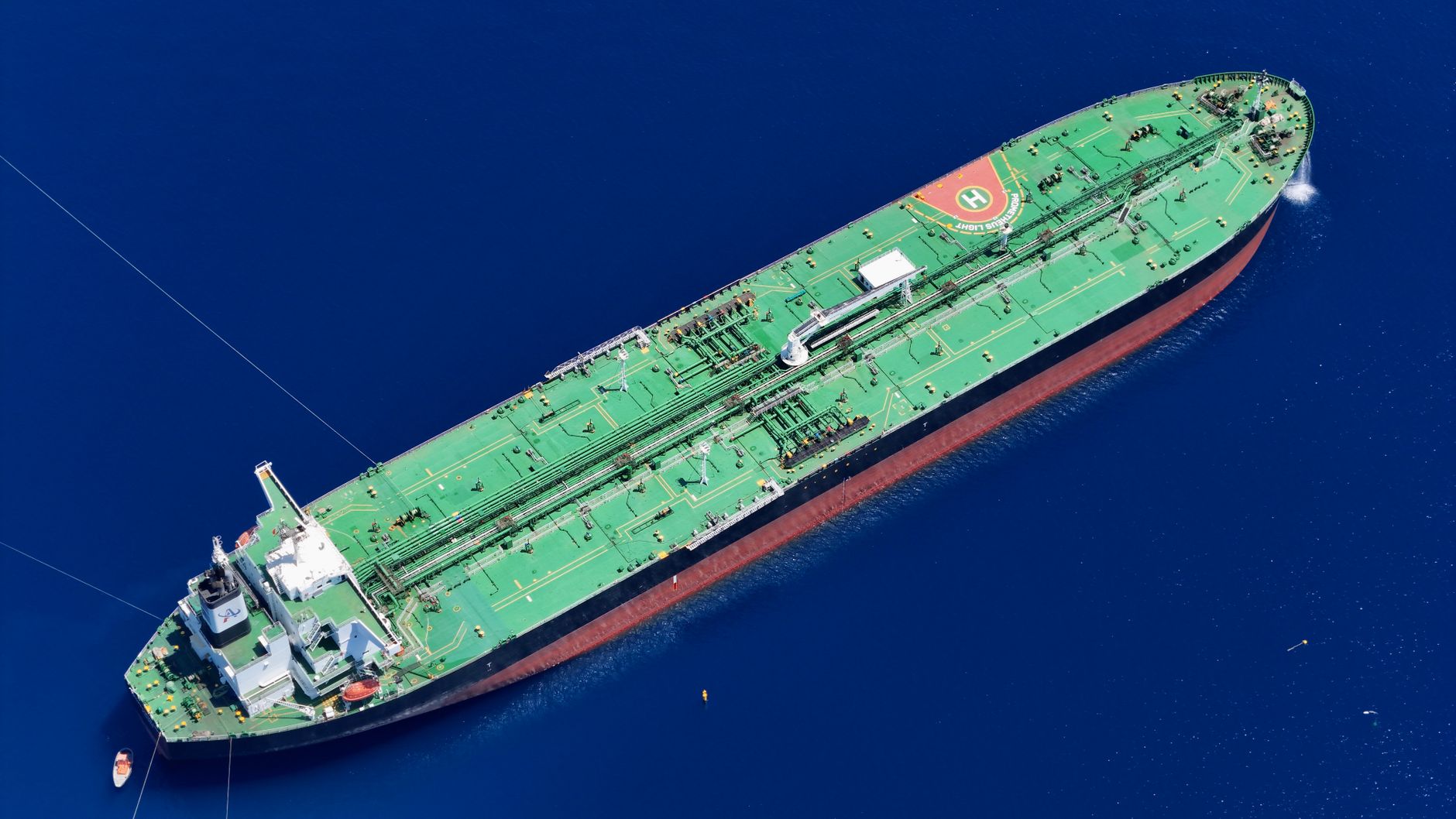
Shipping crude oil costs have reached a staggering $44.8 million to Asia, marking a record high. This significant increase raises questions about market dynamics and future implications.
Overview of Current Shipping Costs
In recent months, the shipping industry has witnessed a dramatic increase in costs associated with transporting crude oil. The latest reports indicate that it costs a record $44.8 million to ship US crude oil to Asia, a figure that raises questions about the sustainability of these expenses.
The escalation in shipping crude oil costs can be attributed to several factors:
- Global Demand: The demand for oil in Asia has surged, leading to increased competition among shipping companies.
- Supply Chain Disruptions: Ongoing global supply chain issues have contributed to higher shipping rates, as fewer vessels are available to meet demand.
- Fuel Prices: Rising fuel prices have further escalated operational costs, forcing shipping companies to pass these expenses onto consumers.
As companies weigh the financial implications of these shipping costs, many are considering their long-term strategies for crude oil transportation. The significant increase to $44.8 million not only affects profit margins but also impacts the pricing of crude oil in international markets.
Experts warn that if these trends continue, the cost of shipping crude oil could create a ripple effect throughout the energy sector, influencing everything from exploration to consumer prices.
Impact on Global Oil Market
The recent surge in shipping crude oil costs to a staggering $44.8 million has sent shockwaves through the global oil market. This unprecedented expense not only impacts exporters in the United States but also has broader implications for international trade and pricing strategies.
As shipping costs rise, several key factors emerge that could influence the market:
- Increased Prices for Consumers: Higher shipping costs are likely to trickle down to consumers, resulting in elevated prices for gasoline and other oil-related products.
- Shifts in Supply Chains: Exporters may reconsider their shipping routes, prioritizing regions with lower costs, which could lead to fluctuations in supply and demand dynamics.
- Impact on U.S. Exports: As shipping crude oil costs rise, U.S. exporters may face challenges in maintaining competitiveness against other oil-producing nations.
- Investment in Infrastructure: The steep costs might prompt investments in more efficient shipping technologies and infrastructure, potentially reshaping the logistics landscape for oil transport.
Overall, the ramifications of these shipping crude oil costs extend beyond immediate financial concerns; they may redefine market strategies and influence global energy policies in the years to come.
Factors Driving Shipping Prices Up
The rising costs associated with shipping crude oil have become a significant concern within the global oil market. Several factors are contributing to the current spike in shipping prices, which recently reached a record $44.8 million for transporting U.S. crude oil to Asia.
One of the primary drivers of these escalating costs is the increasing demand for oil in Asia. As economies in the region continue to grow, their thirst for energy has intensified, leading to higher shipping rates. Additionally, the ongoing geopolitical tensions in various parts of the world have created uncertainties in supply chains, further pushing prices upward.
Another crucial element is the limited availability of shipping vessels. Due to the pandemic, many shipping companies reduced their fleets, which has resulted in a scarcity of ships available for transporting crude oil. This reduced capacity means that when demand rises, prices skyrocket, significantly impacting shipping crude oil costs.
Moreover, fluctuating fuel prices add another layer of complexity. As fuel costs rise, shipping companies often pass these expenses on to consumers, leading to higher overall shipping rates. These factors combined illustrate why shipping crude oil costs have surged to unprecedented levels, prompting players in the oil market to reevaluate their logistics strategies.
Comparative Analysis with Previous Years
The soaring costs associated with shipping crude oil have prompted a closer examination of trends over previous years. Historically, shipping crude oil costs have fluctuated significantly, influenced by various factors such as geopolitical tensions, changes in demand, and shifts in global supply chains. In 2020, the average cost to send oil from the U.S. to Asia was approximately $30 million, indicating a noticeable increase over the past three years.
This upward trajectory raises questions about the sustainability of the current shipping rates. For instance, in 2021, costs rose to about $36 million, reflecting rising demand as economies began to recover from the pandemic. The recent spike to $44.8 million marks a staggering jump, representing an increase of nearly 25% in just two years. This sharp rise is attributed to several key factors, including:
- Increased Global Demand: As economies reopen, the demand for oil has surged, leading to higher shipping prices.
- Geopolitical Tensions: Ongoing conflicts and sanctions have disrupted supply routes, contributing to higher shipping costs.
- Environmental Regulations: Stricter regulations on emissions have increased operational costs for shipping companies.
As industry stakeholders evaluate these trends, the question remains: is the current shipping crude oil cost of $44.8 million justifiable in the long term?
Future Predictions for Oil Shipping
As the global economy continues to navigate fluctuating energy demands, future predictions for oil shipping costs are becoming increasingly vital for stakeholders in the industry. Analysts project that shipping crude oil costs could see further volatility as geopolitical tensions and environmental regulations reshape the market.
Several factors are expected to influence these future costs:
- Geopolitical Instability: Ongoing conflicts in oil-rich regions may lead to supply disruptions, thereby increasing shipping costs due to heightened risks.
- Environmental Regulations: Stricter emissions standards could necessitate investments in cleaner shipping technologies, which may contribute to rising costs.
- Demand Fluctuations: As countries transition toward renewable energy, the demand for crude oil may fluctuate, impacting shipping volumes and, consequently, costs.
- Technological Advances: Innovations in shipping logistics and vessel efficiency could either mitigate or exacerbate shipping crude oil costs, depending on implementation speed and scale.
Experts suggest that companies should prepare for a dynamic market, where shipping costs could remain high, particularly with recent records indicating expenses as steep as $44.8 million for transporting oil to Asia. The ability to adapt to these changing conditions will be crucial for maintaining competitiveness in the oil shipping sector.
Expert Opinions on Market Trends
Industry experts are weighing in on the recent surge in shipping crude oil costs, particularly in light of the record $44.8 million price tag for transporting U.S. crude oil to Asia. Analysts suggest that this astronomical figure could have far-reaching implications for the global oil market.
According to Jane Doe, a senior analyst at Global Energy Insights, “The unprecedented shipping costs are driven by a combination of geopolitical tensions and supply chain disruptions. As demand in Asia remains robust, these costs could further strain the already tight market.”
Another expert, John Smith, a maritime economist, emphasizes the logistical challenges faced by shipping companies. “Rising fuel prices and a shortage of available tankers have contributed significantly to the increase in shipping crude oil costs. It is likely that these factors will persist, keeping prices elevated for the foreseeable future.”
Furthermore, Emily White, a commodities strategist, believes that the current trend could lead to a shift in trade routes. “If shipping costs remain high, we might see a pivot towards more localized sources of crude oil, impacting long-standing trade relationships,” she explains.
As the industry closely monitors these developments, the consensus seems to be that the $44.8 million shipping cost may not be an anomaly but rather a new benchmark for future transactions.
Photo by DeLuca G on Pexels